


Hey again, friend!
I’ve been clearing out the attic of my old blog this past month (a Squarespace site I started in 2014 and have been uncomfortably ashamed of since roughly 2015), and I found a post from December 2021 called “2021 Book Recommendations.”
I read the post the way one reads a diary entry from a kid you vaguely remember being. He opens by announcing that he’s never done a book list before because he’d barely finished a book in seven years. Then he explains that since nixing all his social media that July, he’d read over two dozen. “My nightstand has never been cleaner,” he writes. “Weird.”
Weird is one word for it. He’d deleted Instagram, Twitter and Facebook in one go, and then, like a man who quits drinking and immediately takes up marathons, he read every book ever written about attention. (Nine of ‘em.)
Anyway. You’re going to need something to read this Thanksgiving, so here’s what I’m going to do…
…I’m not going to re-review these books. (I haven’t re-read them, and I’m not going to pretend I have.) I’m going to tell you what 2021 Jason actually said about each one, and then I’m going to creepily lean over his shoulder and annotate, like an old teacher marking up a precocious little boy’s homework.
(He also, I should note, spelled the title of one of the books wrong, called a legendary animator “Huh Harman,” and wrote that he will “reach” any book Ryan Holiday writes. So the homework needed marking…)
A quick housekeeping note he’d want me to pass on: some of the links are Bookshop links, which means if you buy one, an independent bookshop gets a cut. If you don’t know how Bookshop.org works, you pick a local shop from their list, and they get a commission when you buy. If you like bookshops and would like them to continue existing, it’s a good thing.
There are some bangers in here. Including one that really hurt… and the best book you’ll ever read on a holiday break, “if you’re not trying to clear your email inbox when you should be relaxing.”
Right. Onward.
(Click on the title of any of them to purchase.)
My Top Pick:
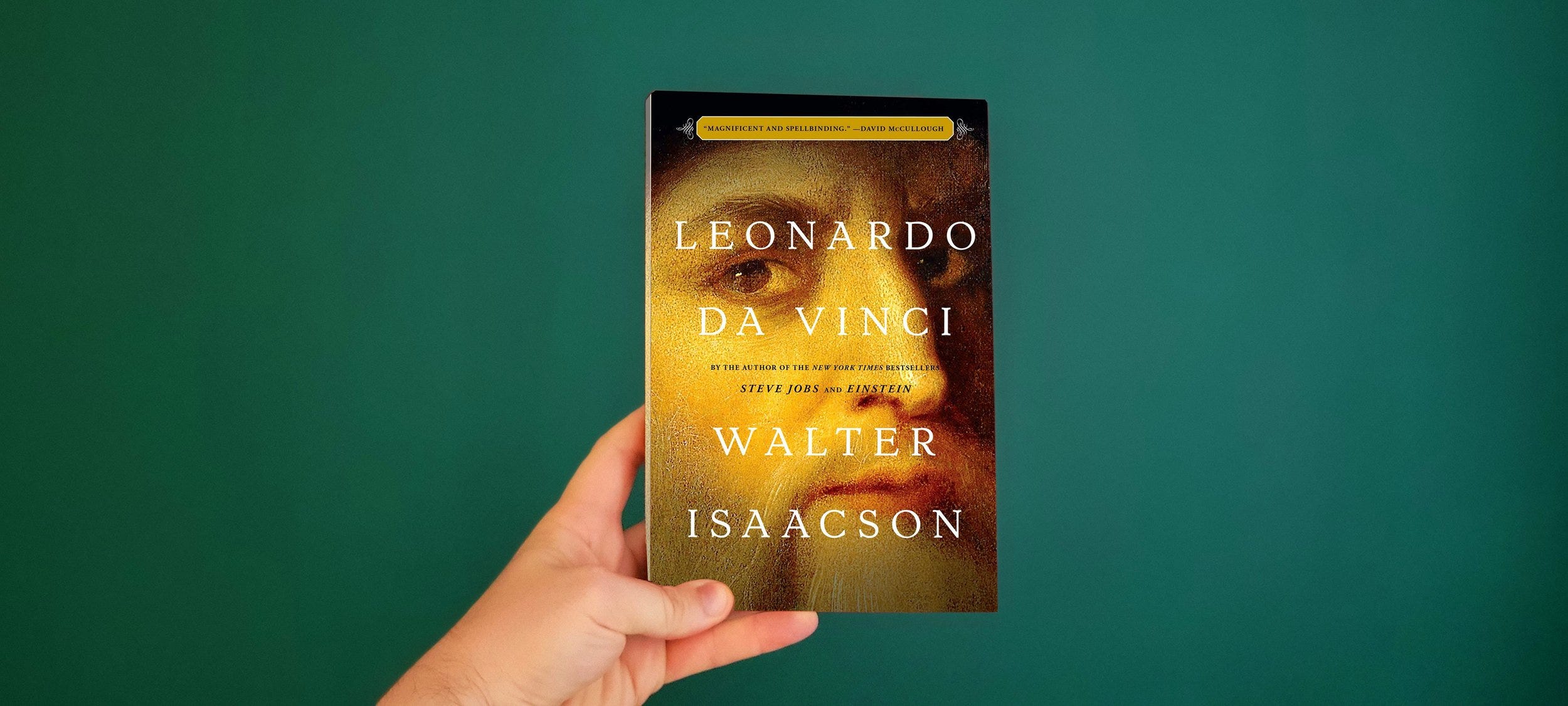
Leonardo da Vinci by Walter Isaacson
This was his book of the year, no contest. He called it “the biography of the world’s greatest artist by the world’s greatest biographer,” which is the kind of sentence you write when you’ve just finished something and haven’t calmed down yet. He said Leonardo’s creative process, his travels and his relationships, “both with people and with the world around him,” were endlessly fascinating, and then admitted he was struggling to string words together beyond: “Buy it. Read it.”
2026 note: Still true... It’s the only book on this list I’ve gone back to more than twice. There’s a thing Isaacson does where he shows you Leonardo’s to-do lists, and they say things like “describe the tongue of the woodpecker,” and you realise the man never finished anything and it didn’t matter. I found that very comforting in 2021. I find it slightly more comforting now.
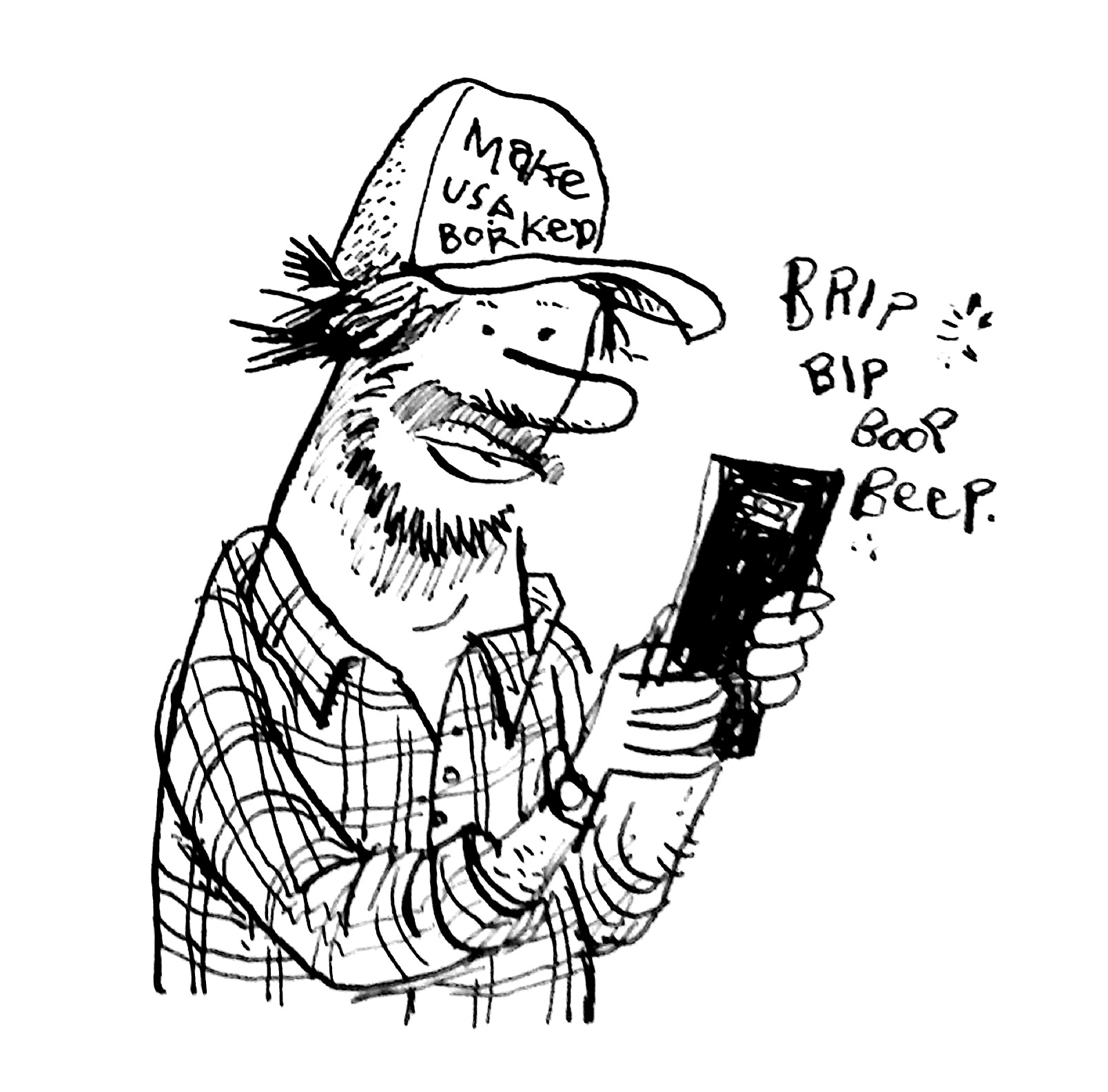
The Attention Shelf…
This is where it gets a bit embarrassing. Here is a guy who has just deleted every app, purchasing, in a single calendar year, the following:
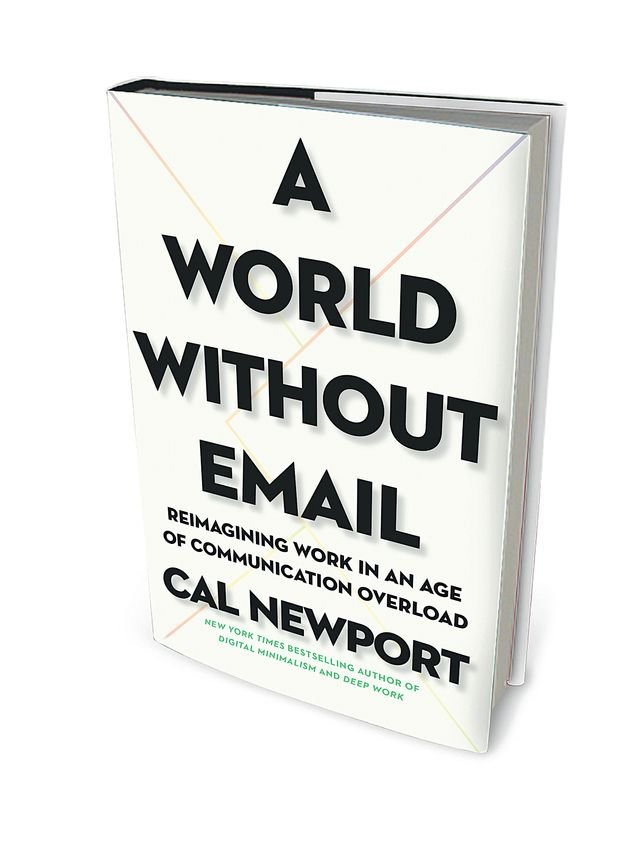
A World Without Email by Cal Newport.
He’d been looking forward to this one because Newport’s Deep Work and Digital Minimalism were two of his all-time favourites, and he summed up the thesis as: email has turned from a convenient way to talk to each other into “a tyranny of time-sucking shallow work,” ruining our chances of making progress on anything that matters.
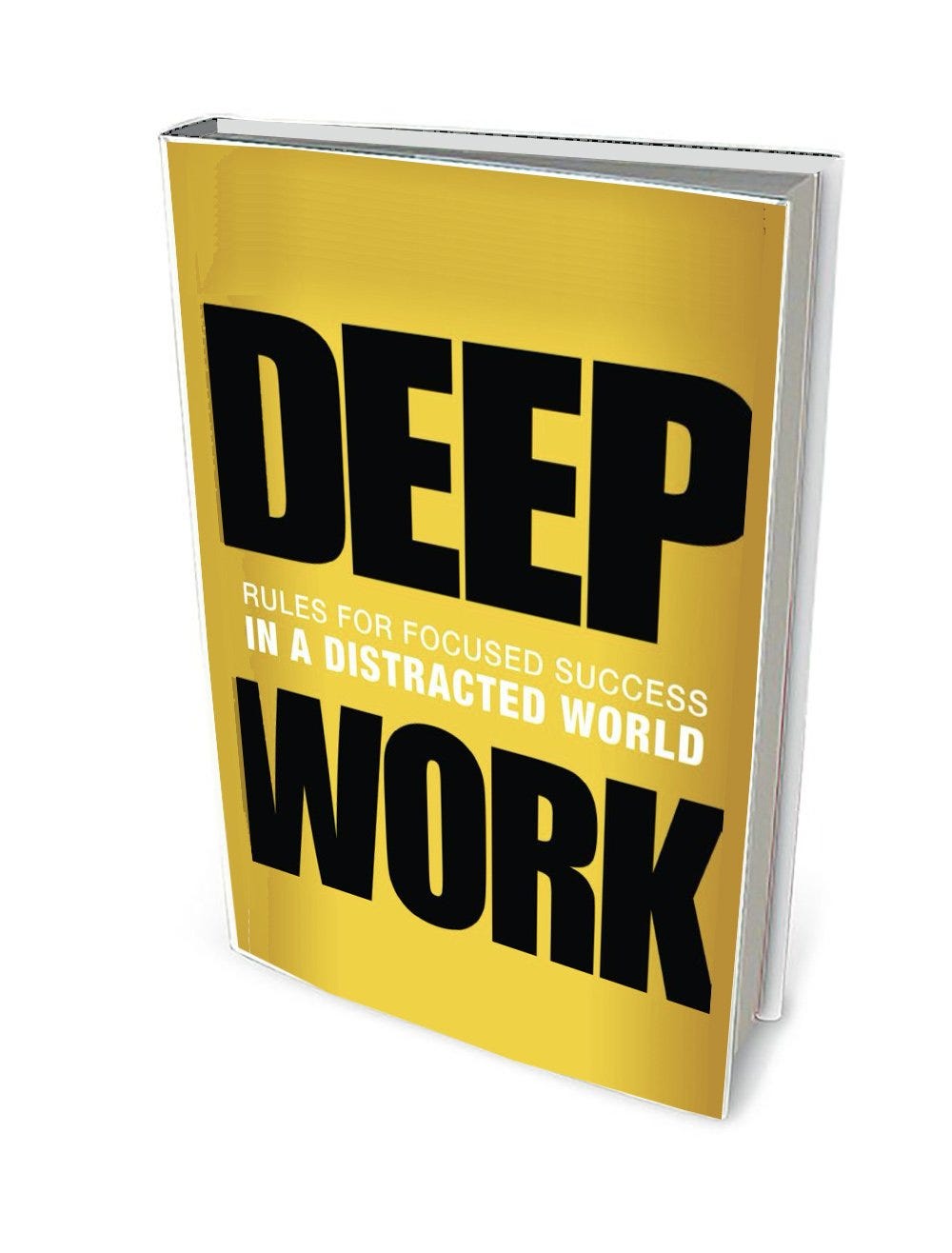
Deep Work by Cal Newport.
Again. For the fourth or fifth time. He said every time he returned to it, he came away with something he’d missed, that his copy was “heavily scribbled on,” and that he’d rate Newport in his top three authors of all time. He described deep work as “like a superpower in our derpamine-addicted world,” using a word he’d made up in 2020 and was still very proud of. He ranked it second only to Atomic Habits.
2026 note: Top three authors of all time. Above Sedaris. I want that on the record so you understand the state he was in.
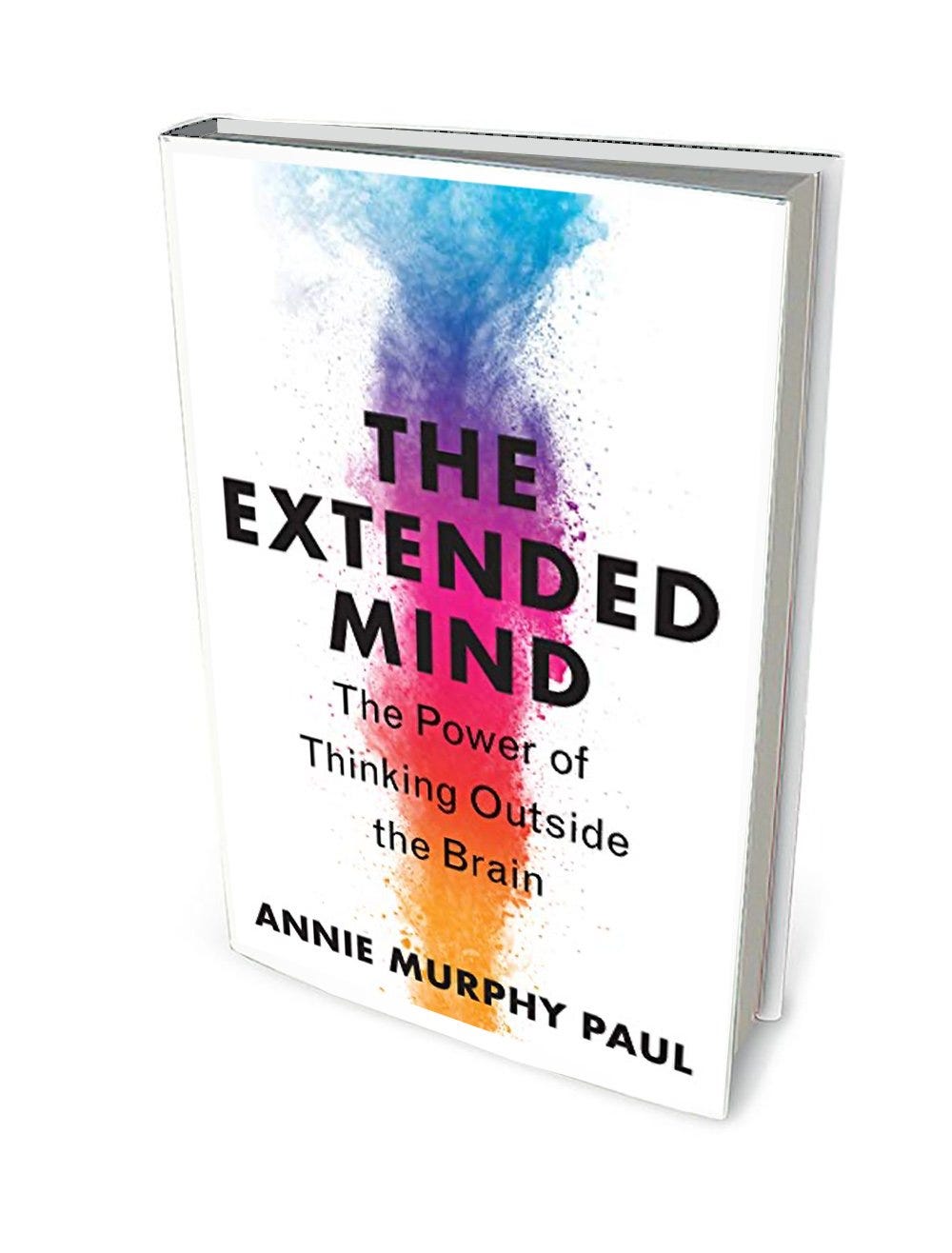
The Extended Mind by Annie Murphy Paul.
“Intensely fascinating,” he said, so fascinating that he had to go back and re-read it to understand the science, “of which there are numerous!” The book is about how we think with our bodies, our surroundings and our relationships, not just the lump in our skull, and he said it explained why he kept rearranging all the furniture in his apartment and studio five or six times a year.
2026 note: I have since moved apartments entirely, which I suppose is the furthest you can push that theory.
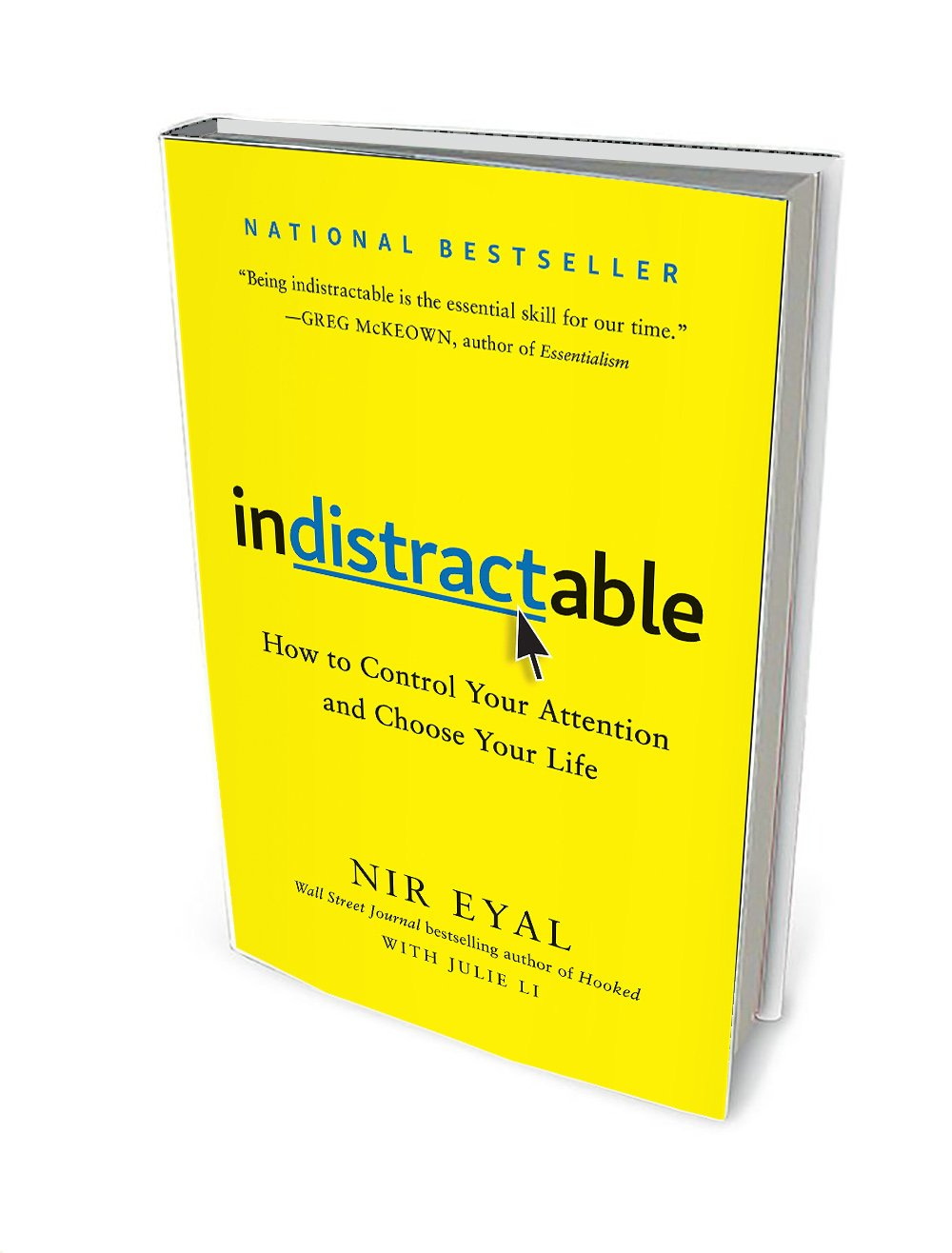
Indistractable by Nir Eyal and Julie Li.
He bought it before he quit social media and, naturally, never finished it. On the third attempt, he “demolished” it in a couple of sittings. His recommendation was oddly specific: “People who will enjoy this book? You know who you are. You’ve already clicked the buy link before finishing reading this sentence.”
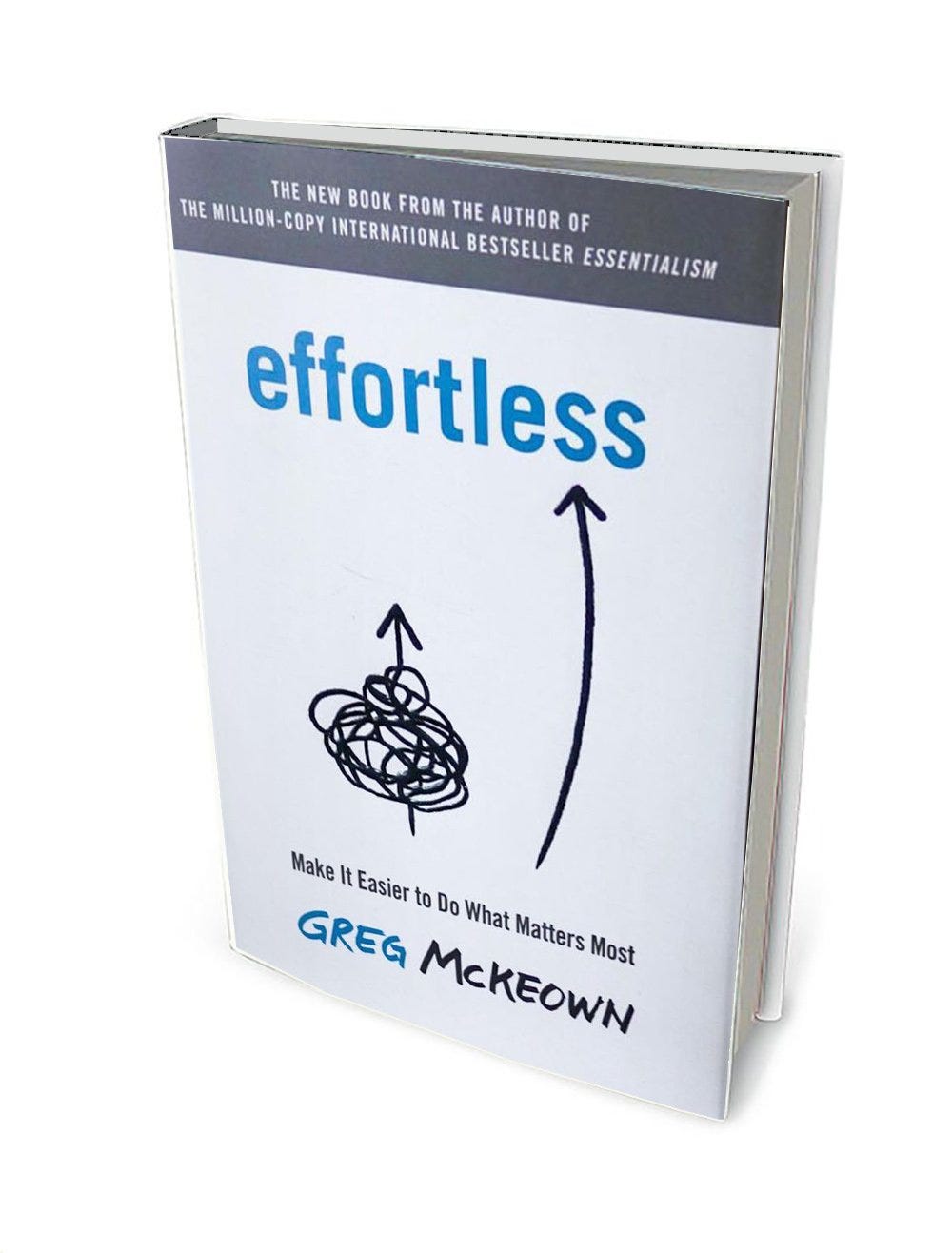
Effortless by Greg McKeown.
The one honest pan on the list. He’d loved Essentialism and hoped for an equally brilliant follow-up, but suspected this one was “a somewhat rushed sequel urged by his publishers to capitalise on the popularity” of the first. Fine on its own, he said, but more a revision than a new idea. He still recommended it, which tells you something about how much he wanted to be fixed.
