


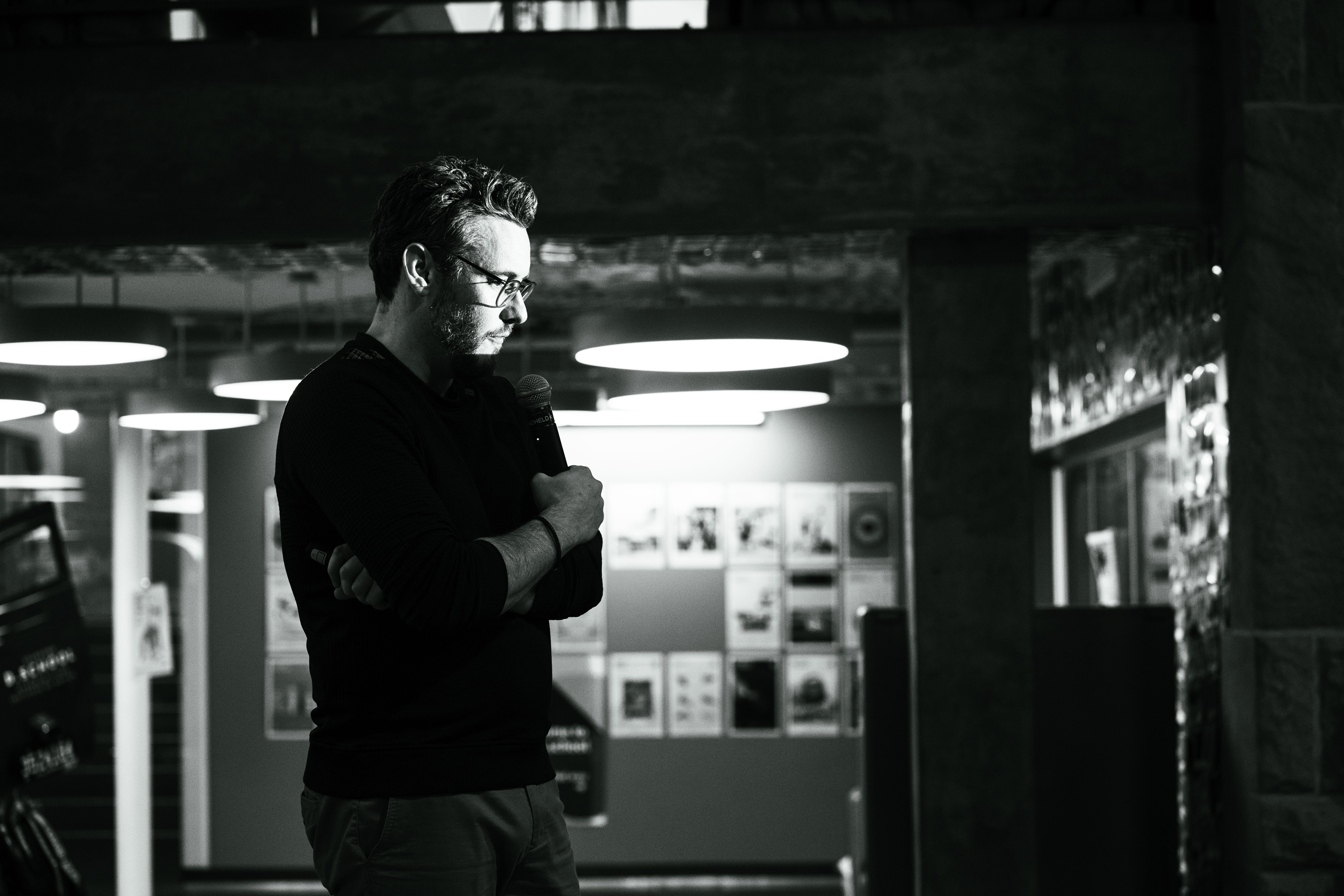
At the conclusion of my guest lecture1 at Stanford last week, a young Design student raised her hand and asked the question everyone asks now, usually with the same worried tilt of the head:
“What do you think about AI-generated art? And what happens to creative professionals in the future?”
I laughed uncomfortably and said, “I love that you left this question ‘til last,” which is the sort of thing you say when you are about to deliver an answer that is both honest and probably a little depressing.
I told them about 2022, when I helped organise the Media Advocacy Summit. Cartoonists, illustrators, designers, musicians, voice, stage and screen actors -groups who have never agreed on anything except maybe the magical properties of booze- all came together because we saw AI as, in my words, “something of an existential threat.”
And not a vague, sci-fi existential threat. A real, practical one. A rent-is-due-and-your-account-is-overdrawn existential threat. The one that forces every artist to throw in the towel and get one of the few remaining jobs at an Amazon Fulfilment Centre in Tacoma.
I explained that I have always been an early adopter. “I’m as far from a Luddite as you can get,” I said, which in hindsight is a sentence I can genuinely own. I was one of the first cartoonists using a Wacom Graphire 2 back when everyone else insisted you had to suffer for art by using artisan nibs that aren’t even manufactured anymore. So when tools like DALL-E, Midjourney, Gemini, and Firefly arrived, I did what I always do. I learned everything there was to know about them, and folded them into the workflow and tried to stay curious.
But curiosity doesn’t pay the rent. I told the students the truth.
“I personally have felt the effects of it as a freelancer. Pretty dramatically,” The advertising illustration work evaporated. Art Directors told me, candidly, that they were using Midjourney instead. “Once in a while, I get sent a bad AI piece of art and asked to fix it,” I said. “I’m not going to tell you the words I use in response, but they’re NSFW.”
I think these tools will have a material impact on the lives of artists and their capacity to create and make a living. I think that if the people making the tools had asked the artists to be part of the process of making them, they might have done a much better job. Instead, they just decided to ask forgiveness, not permission, and scrape (steal) everyone’s work to build these tools. Just because diffusion is complex, technical, and relatively new doesn’t make it any less of a crime against IP holders.
The part that caught in my throat was when I admitted who I worry for most.
“I feel worse for people your age,” I said. “For you. For those entry-level ‘cut-your-teeth’ jobs for grads, the ones that let you hone your craft in low-stakes positions, the ones that got my foot in the door when I started out… they’re just gone.”
I told them I still have what I called “a potentially irrational level of faith in artists’ collective capacity to innovate.”
