



I started writing this post a while back, and the original title was “How I Write My Substack Posts” because people kept asking. But since then, I’ve noticed on Instagram and other platforms an increasing volume of posts encouraging people to just feed their writing into some kind of AI generator to mimic or artificially reproduce their voice, resulting in multiple fist-shaped holes in my wall.
This is, once again, like someone feeding their art into an AI generator and just having it pump out slop, missing and losing the lesson, process, and growth that come from making mistakes and iterating..
Anyway, below is a confession of how I still feel like a dilettante as a writer, but how I worked my arse off to write without a prosthesis, without using AI (except, admittedly, to spell-check, proofread, and fact-check. Let’s be honest, I’m doing that for you, not me.)
Anyway,
On with the show.
I have a confession, and I’d like you to keep it between us and the nineteen thousand six hundred and fifty-two other people I’m about to tell.
.
I am not a writer.
.
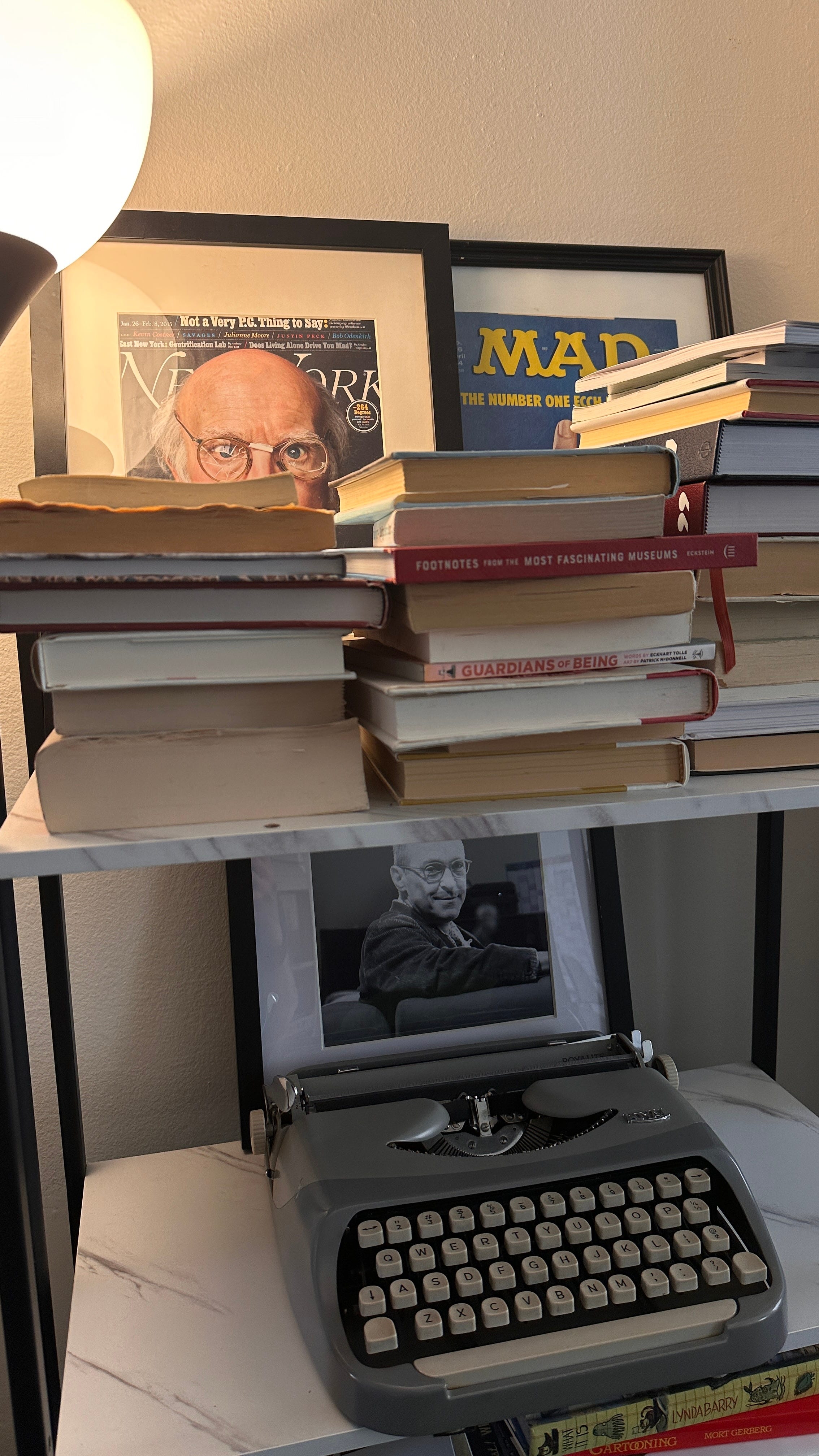
I draw for a living. I stand in front of strangers in basements and say things until they laugh or the light goes red. Writing is the thing I do in between those two jobs, the way some men take up fishing: alone, early, with a thermos, and with no real expectation that anything will bite.
I’ve told anyone who will listen that I find writing much like passing a kidney stone; it really doesn’t come comfortably and is quite painful… and yet every week I send you a few thousand words, and every week a small number of you reply, and a smaller number of you pay for the privilege, which is either very kind of you or a cry for help. (Seriously, thank you.)
So this week I thought I’d tell you how the sausage gets made. Specifically: how a cartoonist with a drafting table and a highlighter tried to teach himself to write by reading every book about writing he could find, and how that went.
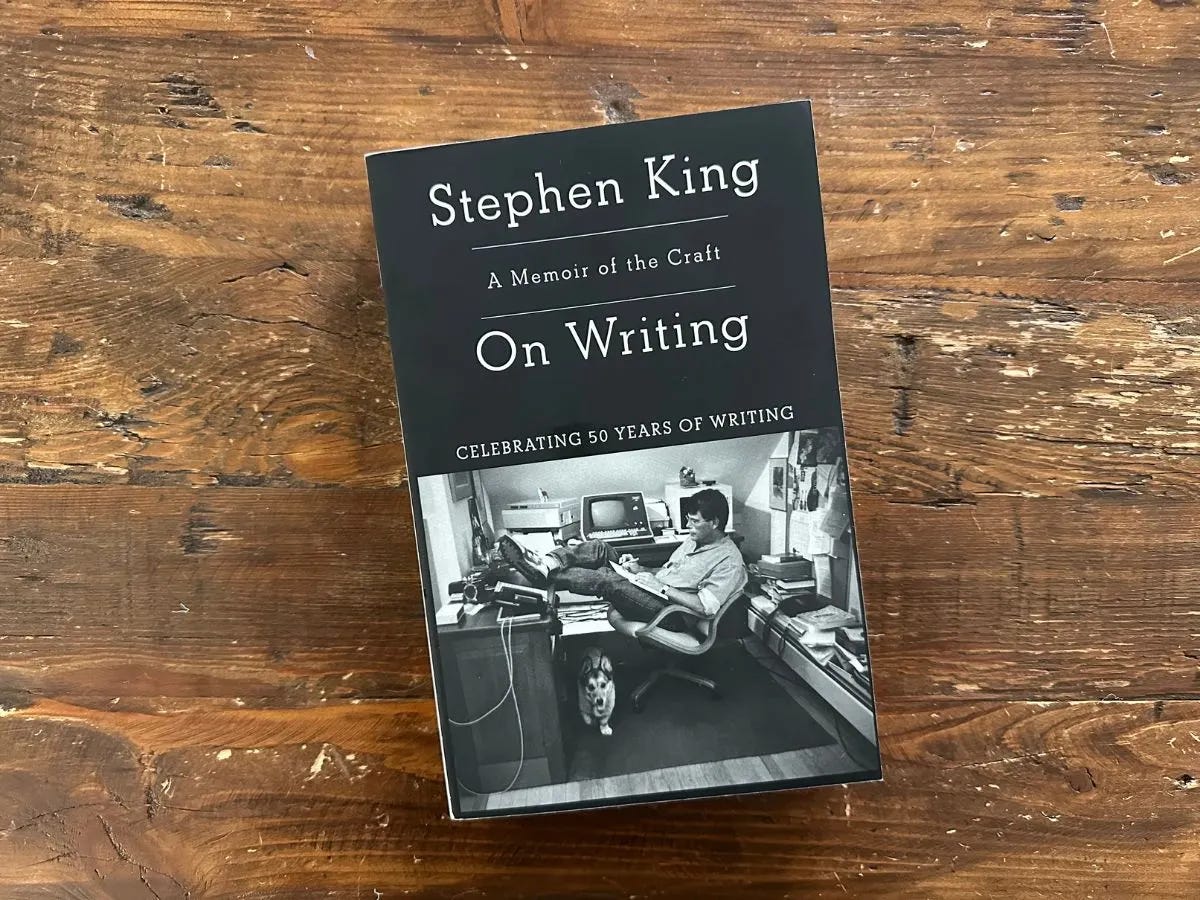
It started, as most of my bad decisions do, with Stephen King. My gateway drug.
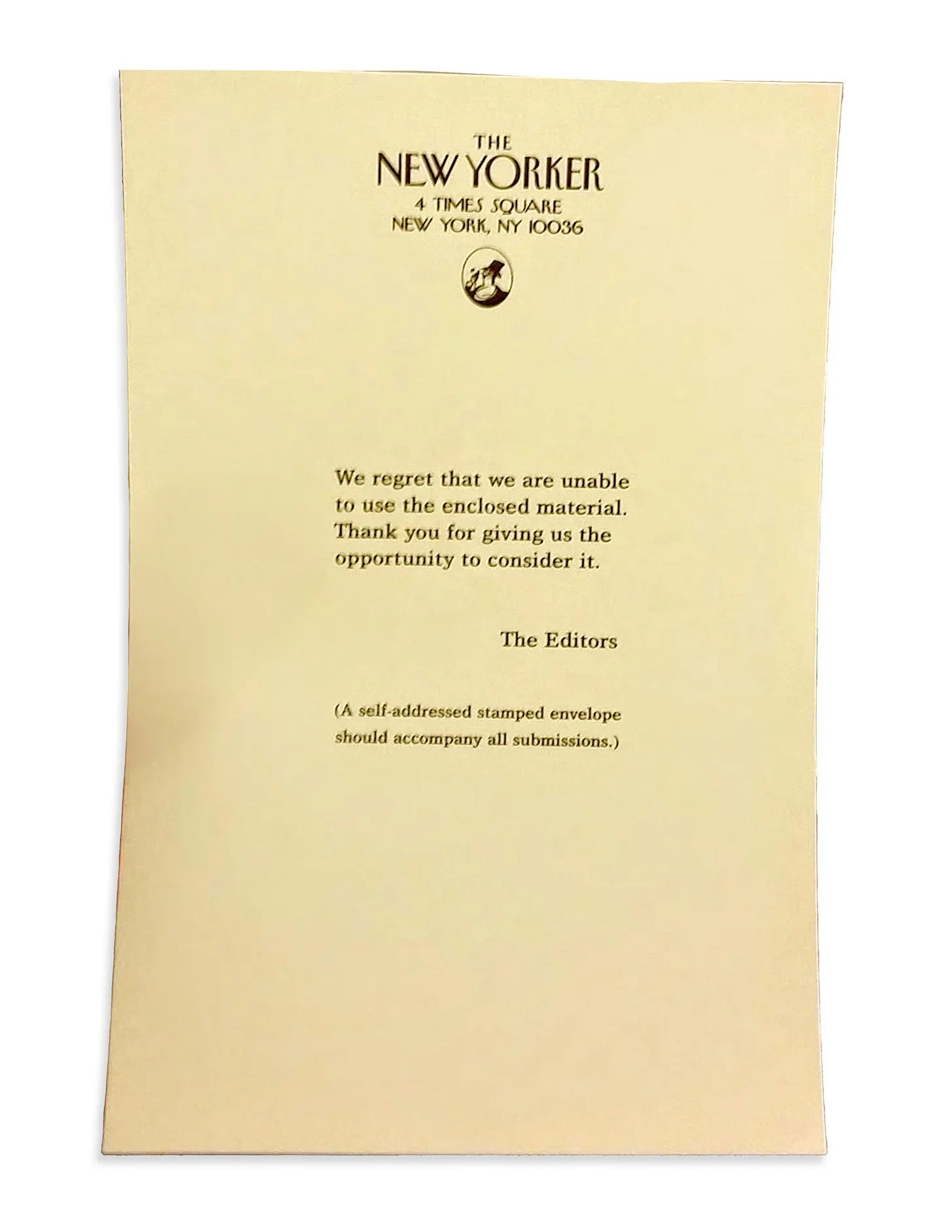
I read On Writing on a plane, expecting a how-to. A list. Something I could highlight and add marginalia, and ignore. Instead I got a man telling me about the nail he hammered into his bedroom wall as a teenager to hold his rejection slips, and how the nail eventually couldn’t take the weight, so he replaced it with a spike.
I was three chapters in before I realised what he was doing. He wasn’t telling me how to write. He was writing, right there in front of me, and letting me watch. The memoir bits were the lesson; the toolbox at the back was just the receipt.
(Sidenote: I plastered my wall with these for years. Depraved, yes, but it spurred me on.)
That was the moment I went from “bloke who types” to “bloke who would like to type gooder.” A low bar, but I cleared it, and I’ve been clearing progressively higher bars since, like a show pony with a drinking problem..
No?
Well.
After King, I went looking for rules, because rules are comforting to a man who’s just been told there aren’t any. Mary Karr’s The Art of Memoir came first. She teaches at Syracuse, and the book reads like her course, if her course were delivered by a recovering Texan who has seen things. I read it in the dead of winter after a blizzard upstate in Albany… it was the perfect place to do so.
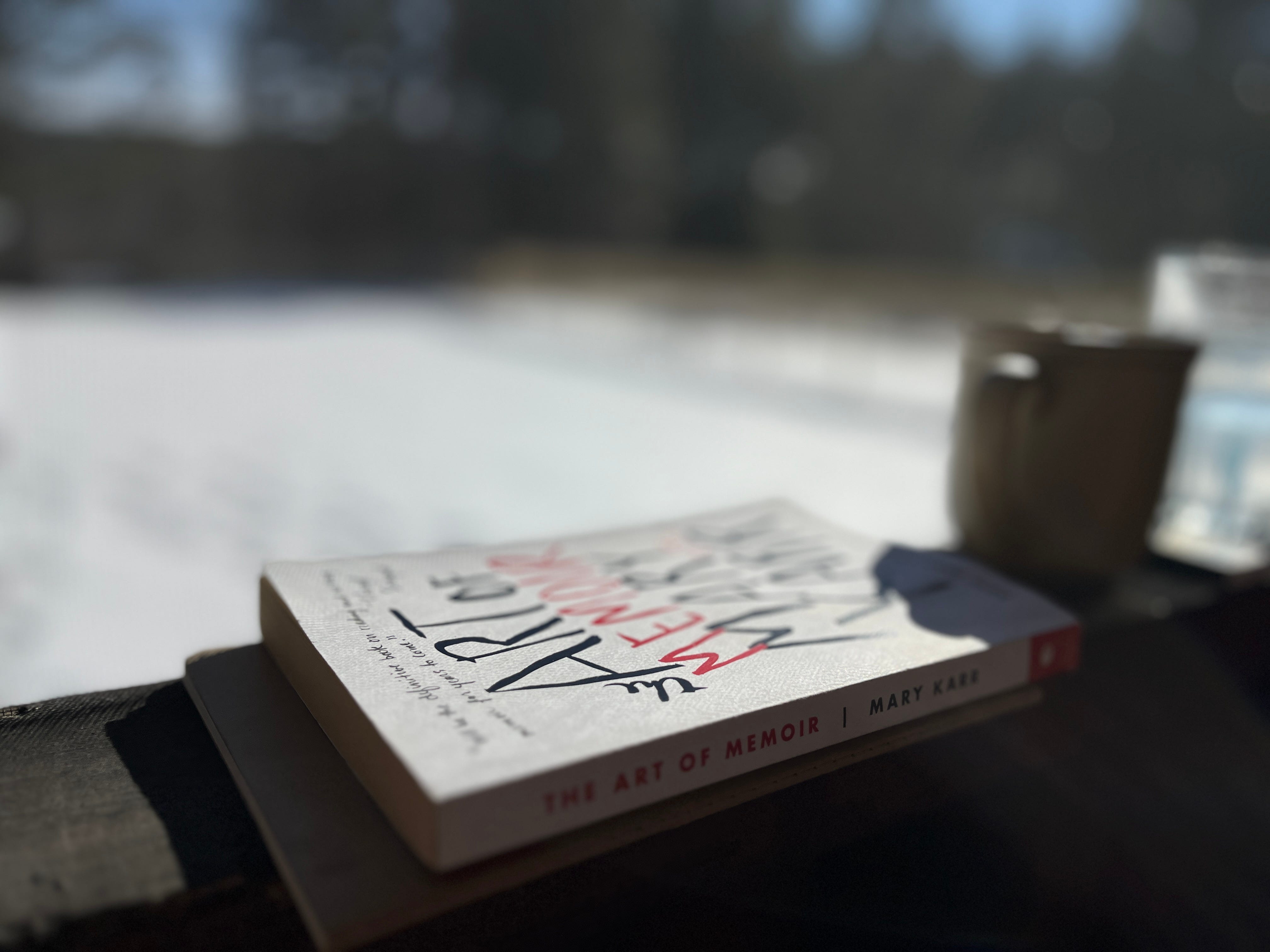
Her big idea is what she calls carnality: get the body on the page first, the smell and the sweat and the specific brand of cigarette, and the meaning will follow. The other big idea is that the person who comes off worst in a memoir should be the one holding the pen. (I couldn’t agree more. All of my jokes have me as the butt. No exceptions. Mostly.)
Anyway, I took this to heart. Some of you have written in to suggest I’ve taken it too far. Noted.
Then the Strunk & White. The Elements of Style, fourth edition, the one with the Roger Angell foreword (RIP).
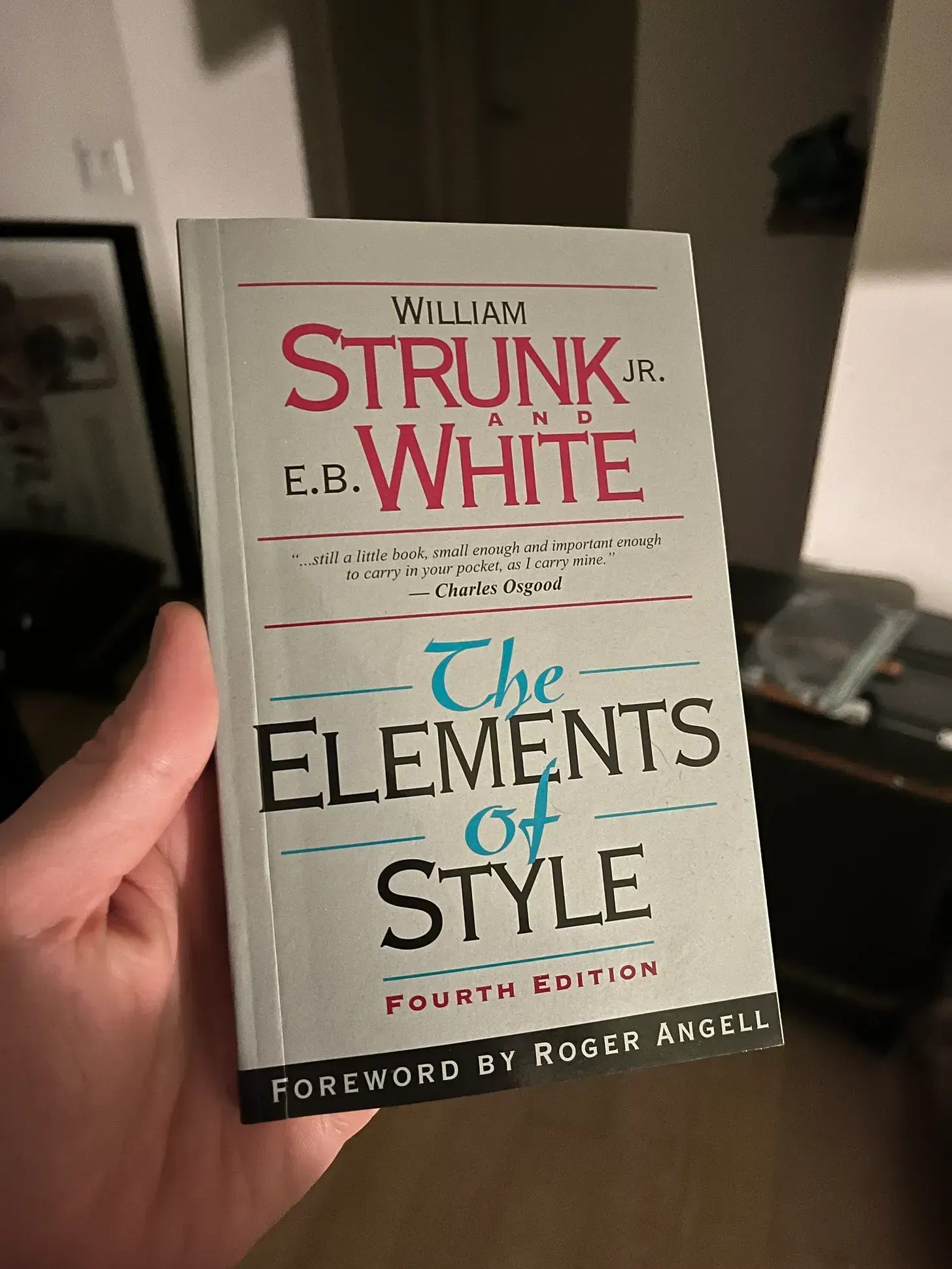
If you don’t know the lineage: Strunk taught White at Cornell, White revised his old professor’s pamphlet forty years later, and Angell, White’s stepson and a New Yorker editor, wrote the foreword. It’s three generations of the same family telling you to omit needless words, which is either charming or a cult.
I became insufferable about it. I was the man at the party correcting “less” to “fewer.” I’d like to say I’ve recovered. I’d be lying, which Strunk & White would also have notes on. (I’m kidding, I don’t get invited to parties.)
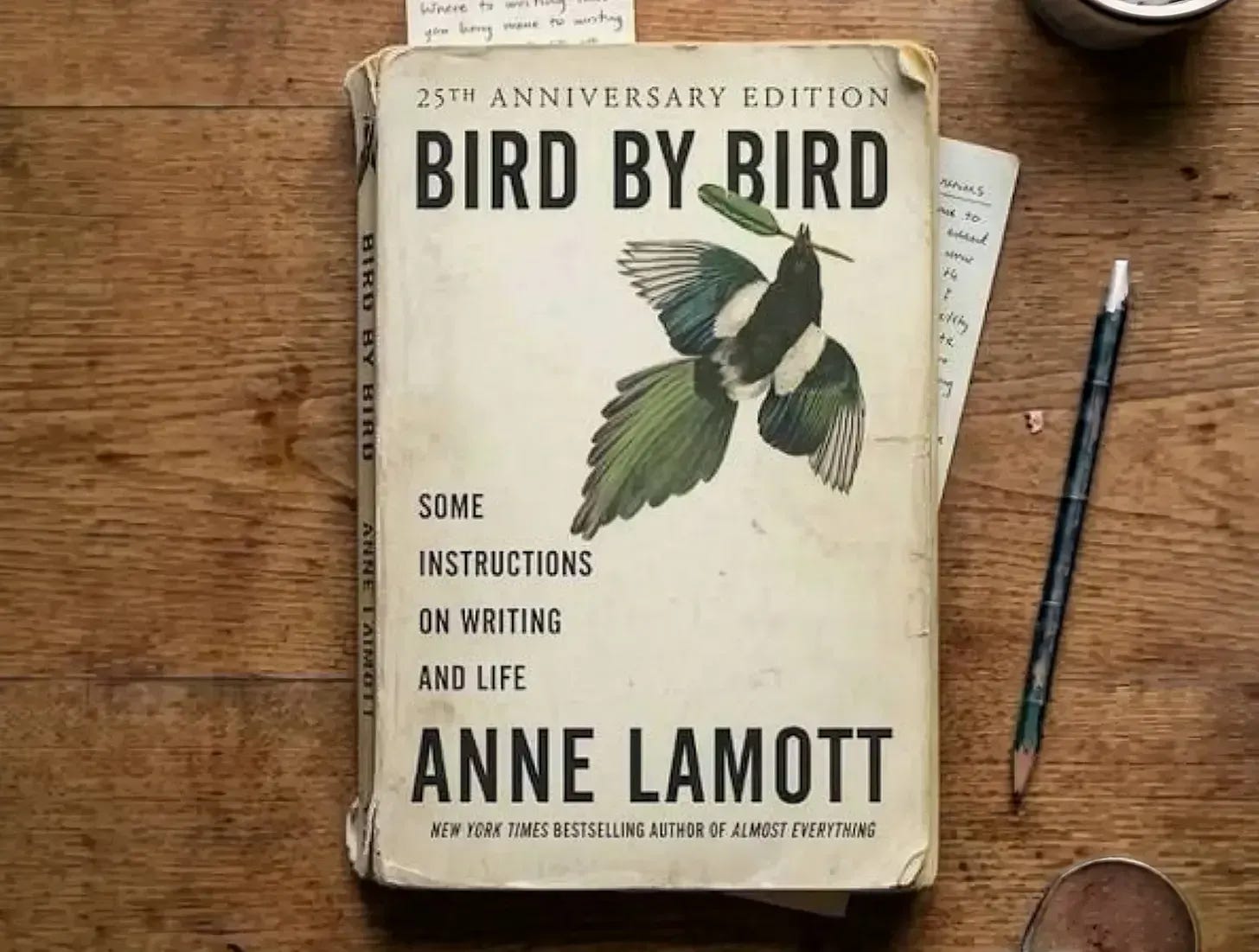
Anne Lamott’s Bird by Bird is the one everyone tells you to read, and everyone is right, which is annoying.
The title comes from her brother, aged ten, paralysed by a school report on birds he’d had three months to write and hadn’t started. Their father sat down beside him and said: “Bird by bird, buddy. Just take it bird by bird.”
That sentence has got me through more Tuesdays than coffee and whiskey.
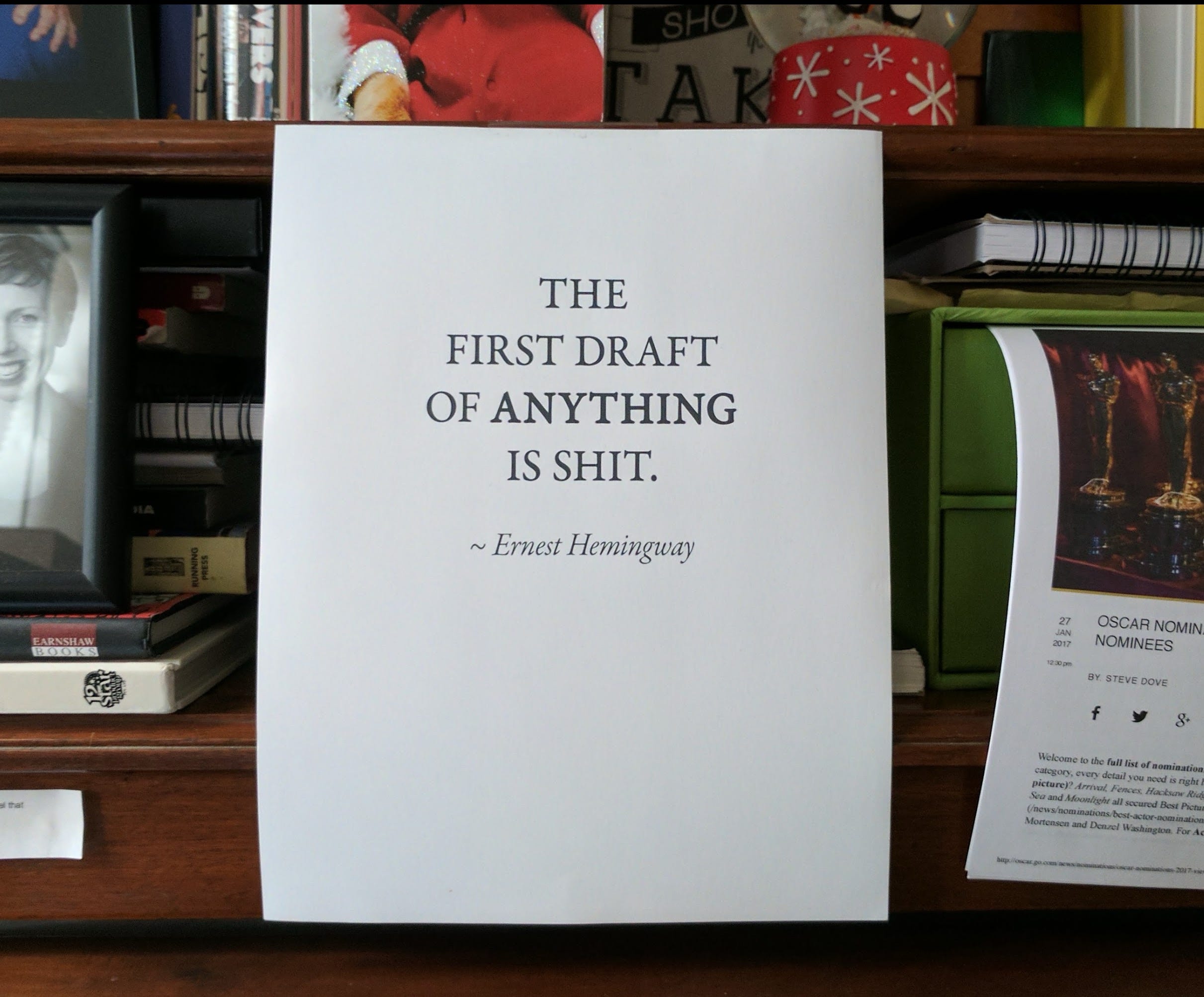
Her chapter on shitty first drafts is the most useful thing anyone has ever told me about writing, and I say that as a man who once paid actual money to learn it from David Sedaris (more on him shortly). The idea is simple:
Everybody’s first draft is rubbish. The professionals aren’t the ones who write good first drafts. They’re the ones who’ve made peace with writing bad ones.
(I used to have this above my desk, written less eloquently by Hemingway. Probably while drunk.)
But the thing Lamott really gave me was permission to look at the world the way a writer does, rather than the way a cartoonist does. A cartoonist sees a man in a puffer jacket on Ninth Avenue and thinks: that’s a shape. A writer sees the same man and thinks: why is he crying into a bodega sandwich at 7:15 am, and who do I have to become to find out?
(Lamott, for the record, is still at it. Her husband set her up a Substack last autumn, and in March she and he published a new book together, Good Writing, which picks up roughly where Strunk & White leave off. I have not bought it yet. I have bought four new pens for the studio since then. Priorities.)
John McPhee is the opposite of Lamott, and I need them both.
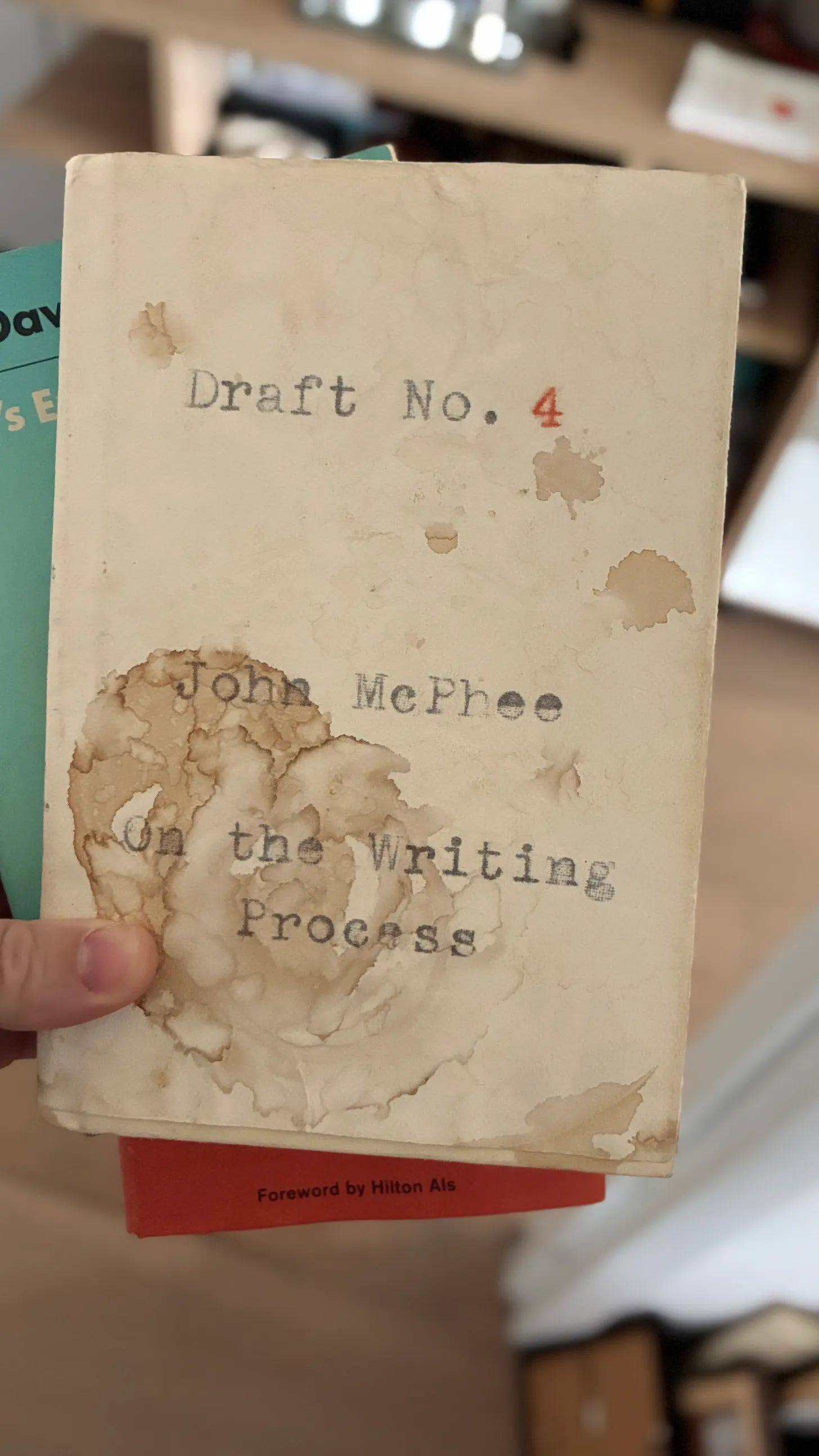
Draft No. 4 is a collection of his essays about process, and the central one is called “Structure,” in which he explains that before he writes a word he draws the piece. Boxes, arrows, a shape on a page. He’s a man who builds the scaffolding before he pours the concrete, and the title refers to the fourth draft, the one where you stop moving furniture and go word by word, asking each one if it’s really the best word or just the one that showed up.
I read a lot of McPhee in the New Yorker before I ever read him on writing, and I realise now that’s how I learned structure: by accident, by osmosis, the way you learn a language by moving to the country and trying to order coffee. Which, coincidentally, is also how I learned “fewer.”

Somewhere in here I read everything David Sedaris has ever written.
Every book, every essay, the shopping lists. Then I took his MasterClass, which is the fourteenth book I have printed, annotated, and spilt on.
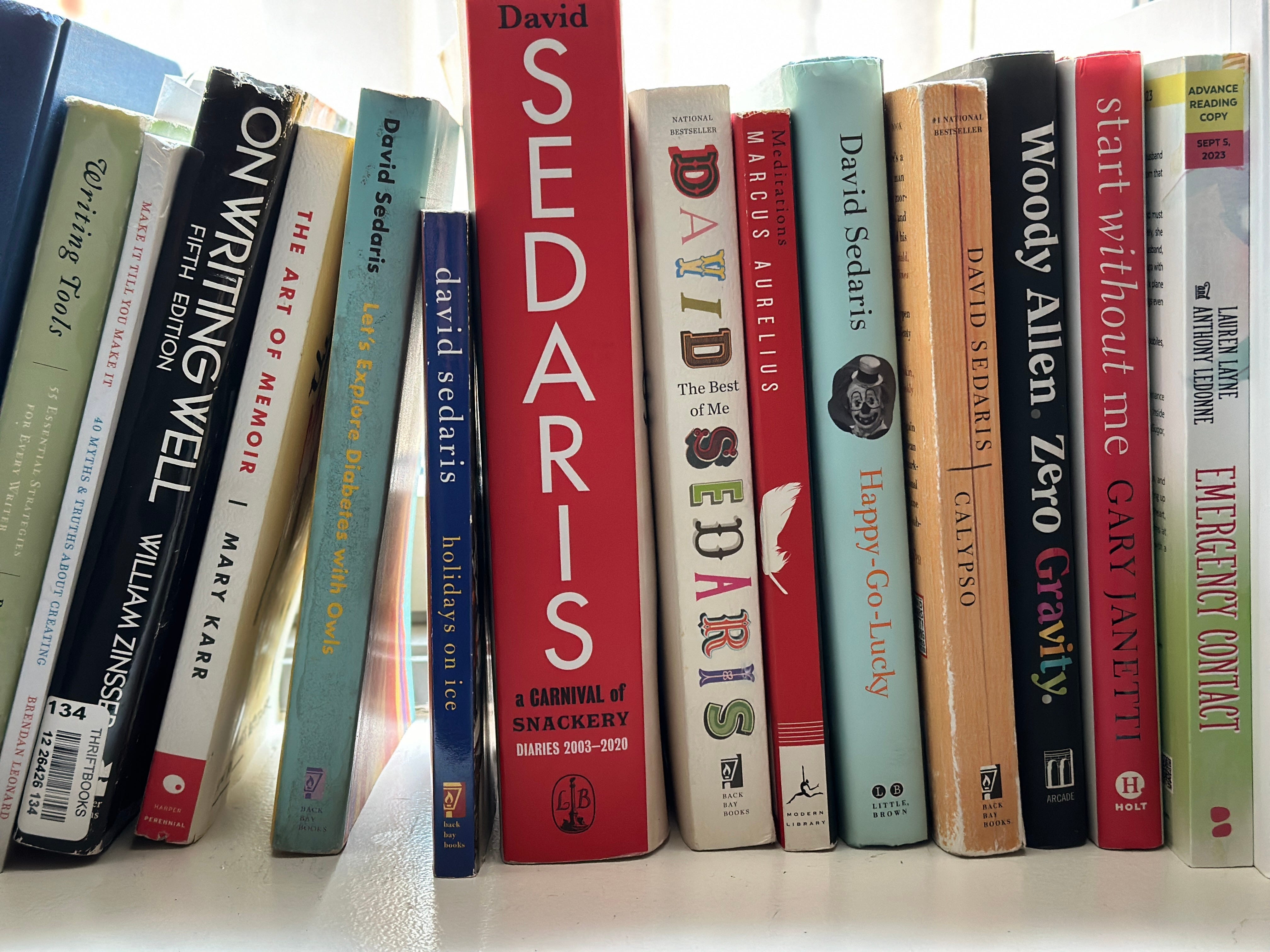
Three things from that class live in my head rent-free.
One: don’t build an essay around a laugh. (So tempting.)
Two: you can’t control the reader, so stop trying.
Three: he rewrites every piece twelve to eighteen times, then goes out and picks up litter by the side of the road until eight at night. I don’t pick up litter. I box. (As in boxing, not packing things.) The principle is the same: you need something to do with your hands that isn’t the thing.
If you’re enjoying reading this, and you know someone else who might, would you do me a favour and share it with them? It would mean a great deal to me.
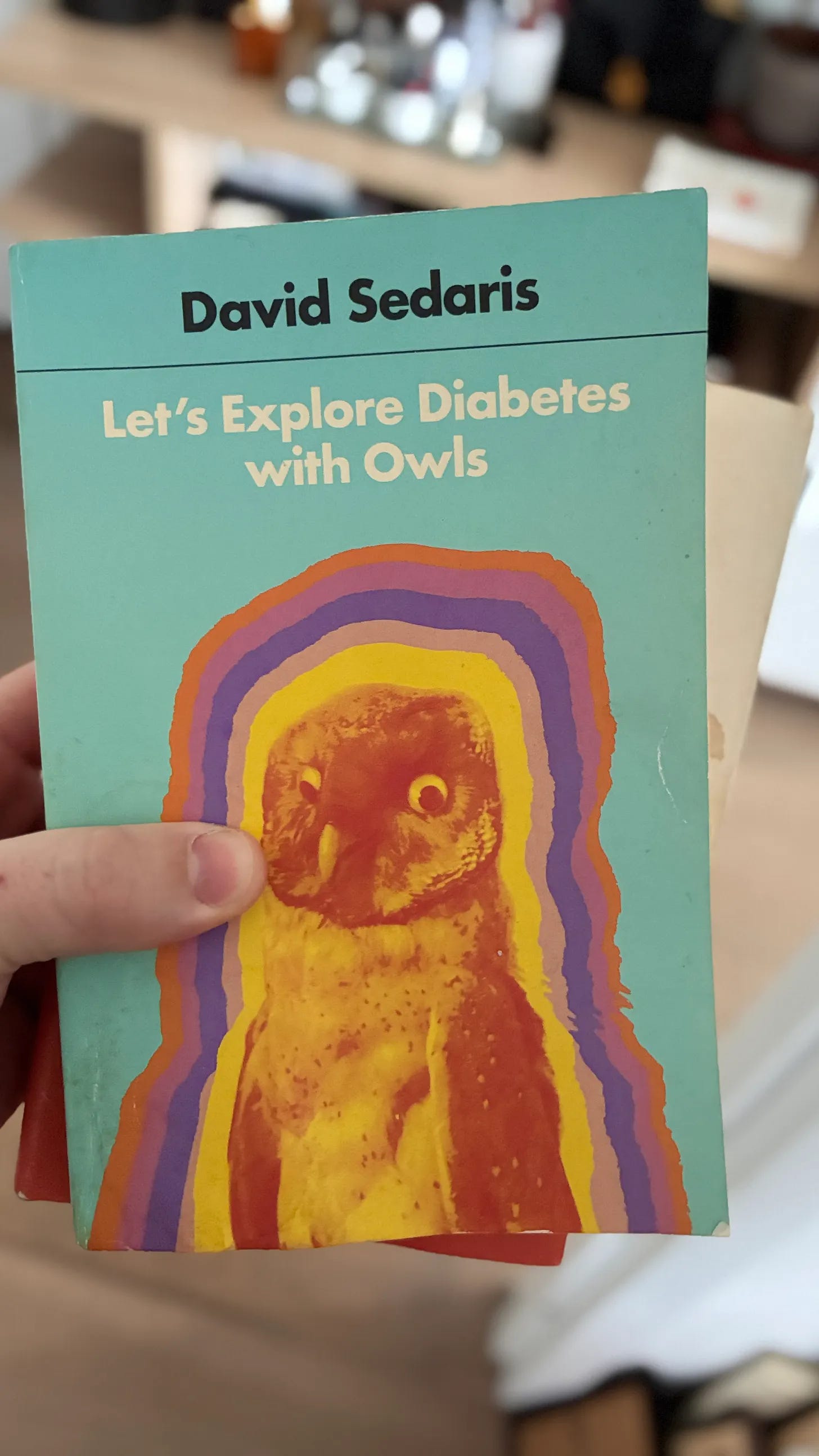
Let’s Explore Diabetes with Owls is, for my money, his funniest, and the one I’ve learned most from. He opens on something trivial (a dentist, a taxidermy owl, a kookaburra) and the piece quietly turns into something much larger, with the turn arriving late and without announcement. That’s the trick. Don’t lead with the feeling. Earn it.
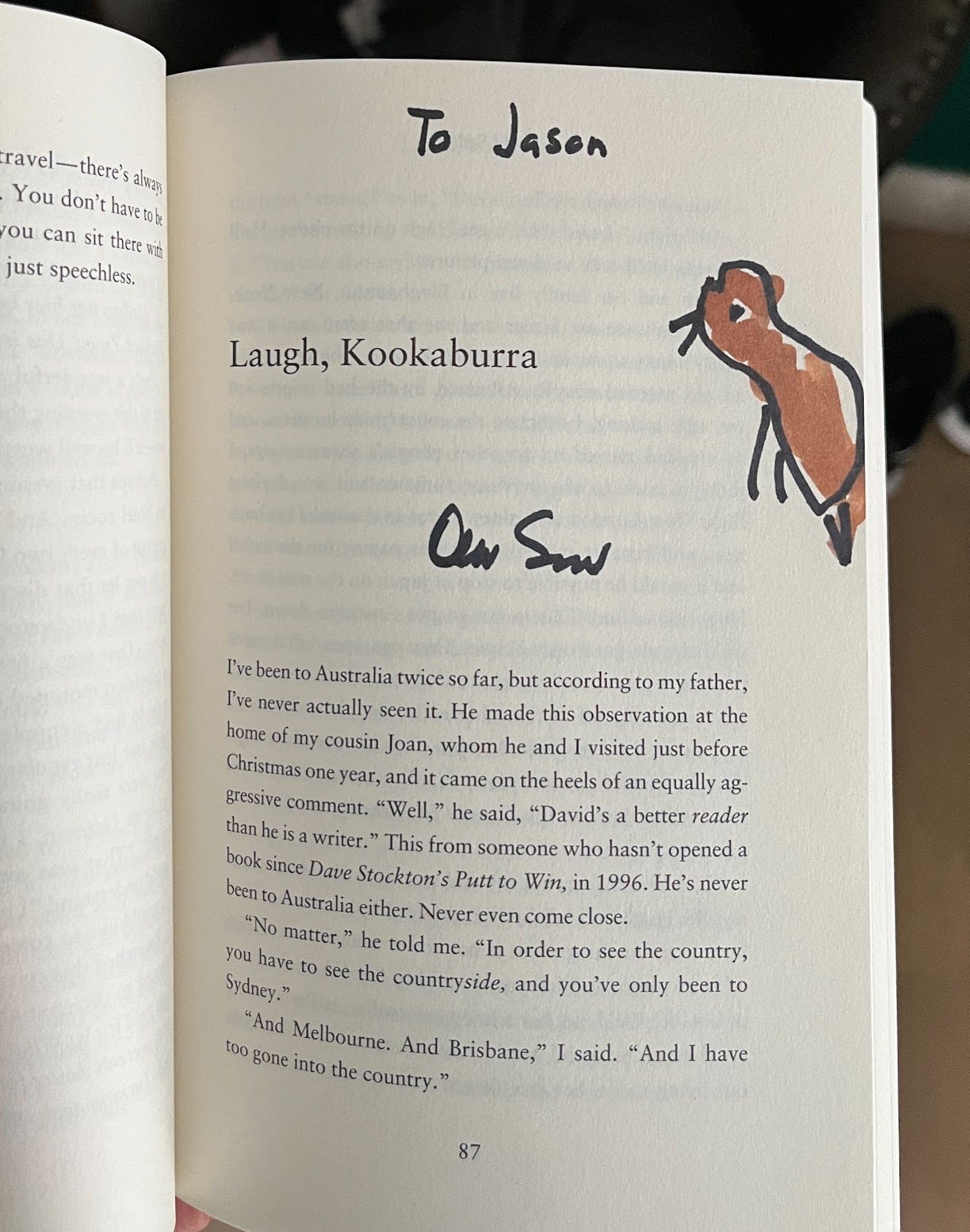
He signed my copy one of the times I met him at a reading in New York.
He drew a Kookaburra for me.
Then there’s the stuff for the day job. Scott Dikkers, who co-founded The Onion, wrote How to Write Funny, which argues that humour is a learnable craft and not a gift bestowed by a wicked fairy.
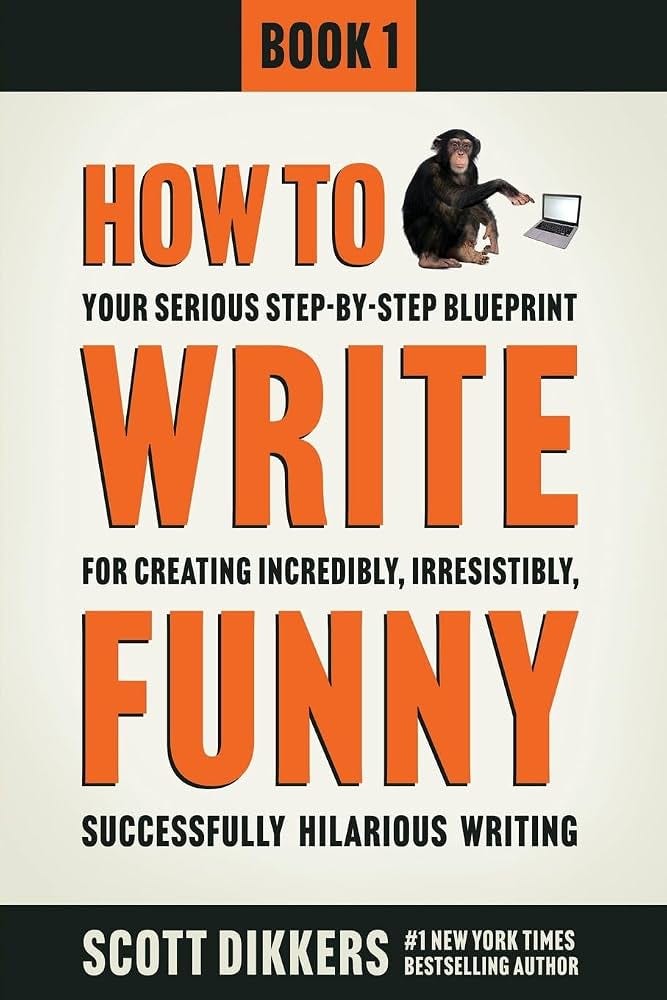
His big idea is that every joke starts with subtext (something to actually say) and gets run through what he calls eleven “funny filters.” Irony. Hyperbole. Misplaced focus. I won’t list all eleven; I’m not made of ink. Pair it with Gene Perret, Bob Hope’s head writer for twenty-eight years, whose Successful Stand-Up Comedy is less about the jokes and more about the act: how to build one, how to rehearse it, how to take charge of a room. Dikkers for the jokes, Perret for the set. I am still working on both.
Now for the oddballs…
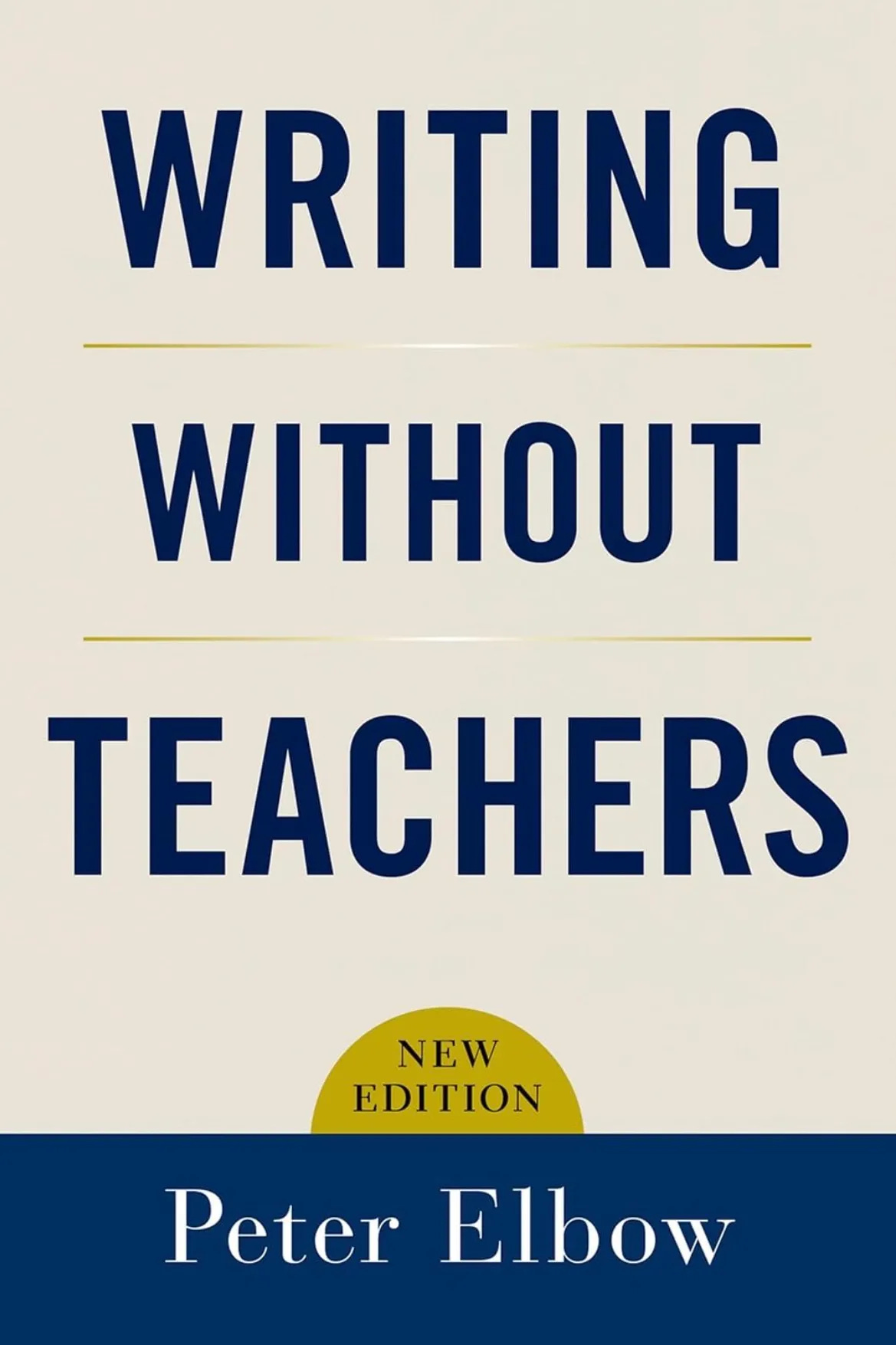
Peter Elbow, Writing Without Teachers. Older than me, which is saying something now. Matt Ruby, a very good New York comedian who writes very good newsletters about the craft, put me onto it and I gobbled it up in a day.
Elbow invented freewriting: ten minutes, pen doesn’t stop, no editing, no taste. I do it most mornings when I don’t know how to start. It produces mostly garbage. Occasionally the garbage has a joke in it, which is more than I can say for most of my mornings.
Julia Cameron, The Artist’s Way. I read it. You read it. We all got to the morning pages and stopped. (Morning pages are just Elbow’s freewriting in a kaftan, by the way. Nobody tells you that.)
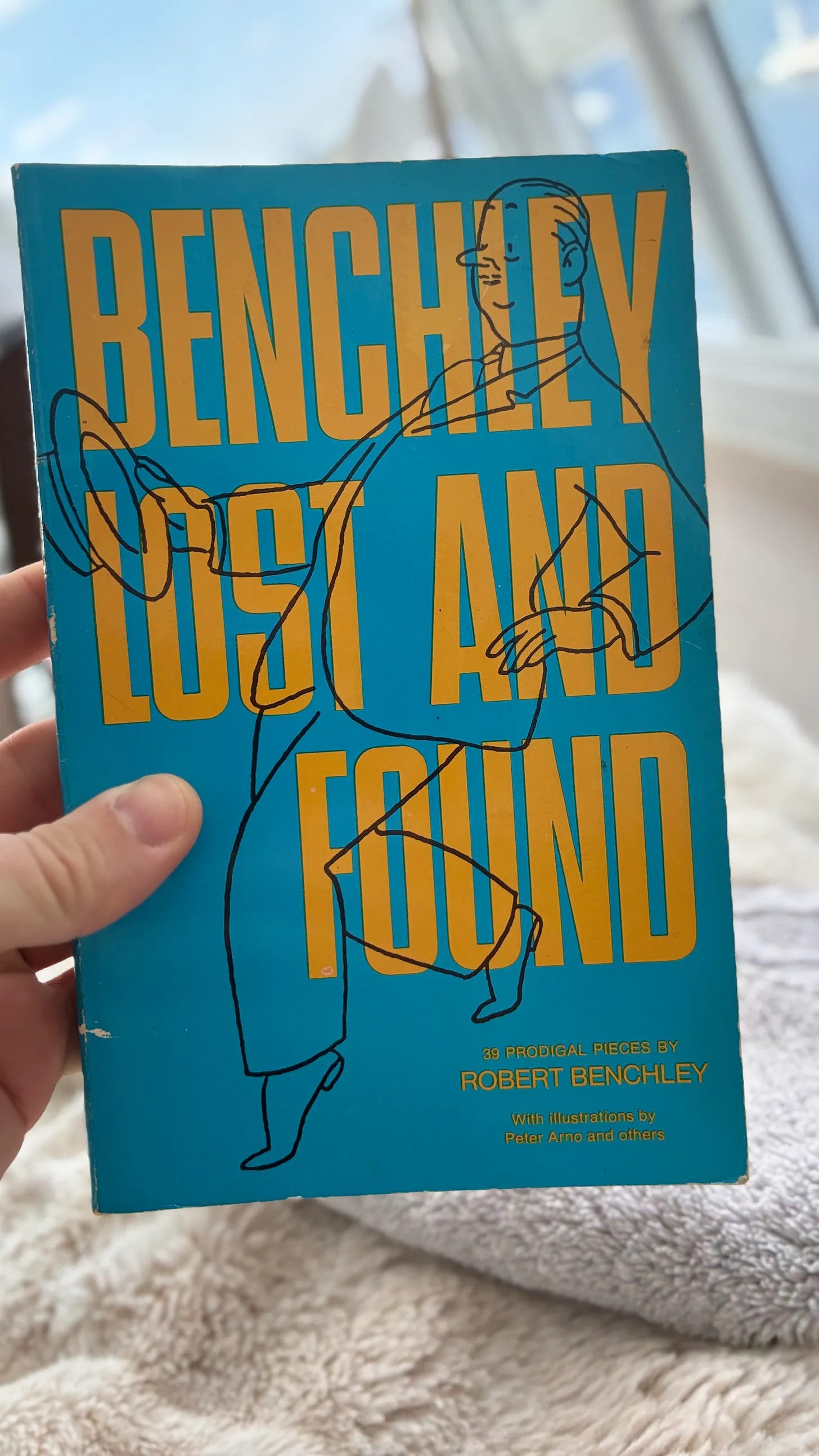
Robert Benchley, Benchley Lost and Found. My friend Ethan Hall recommended this one, and I owe him a drink. Thirty-nine pieces from Liberty magazine in the early thirties, never collected before, illustrated by the great Peter Arno. Benchley was Algonquin Round Table royalty and the patron saint of the put-upon man: queues at the post office, porters, vitamins, sand at the beach. He once said it took him fifteen years to discover he had no talent for writing, but by then he was too famous to stop. I’m hoping to skip the famous bit and go straight to the quitting.
Sol Stein, Stein on Writing. He was an editor before he was a teacher, and it shows. The chapter is literally called “Liposuction.” You can guess..
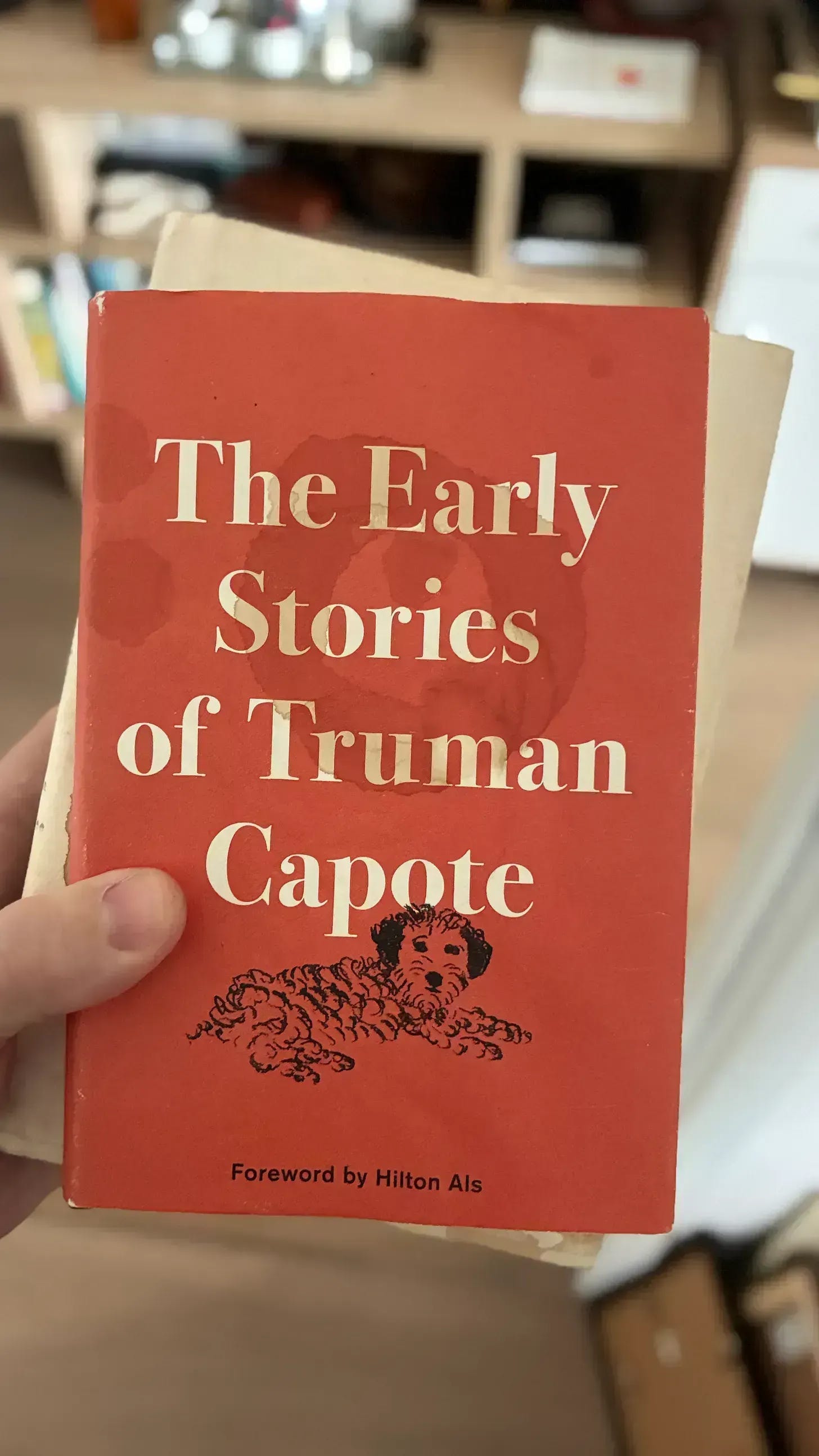
Truman Capote, The Early Stories. Fourteen stories he wrote as a teenager, dug out of the New York Public Library. They’re not good, exactly. But you can see the eye already working, which is a very comforting thing to see when you’re a forty-something man whose own early work is a drawing of a cat with a machine gun.
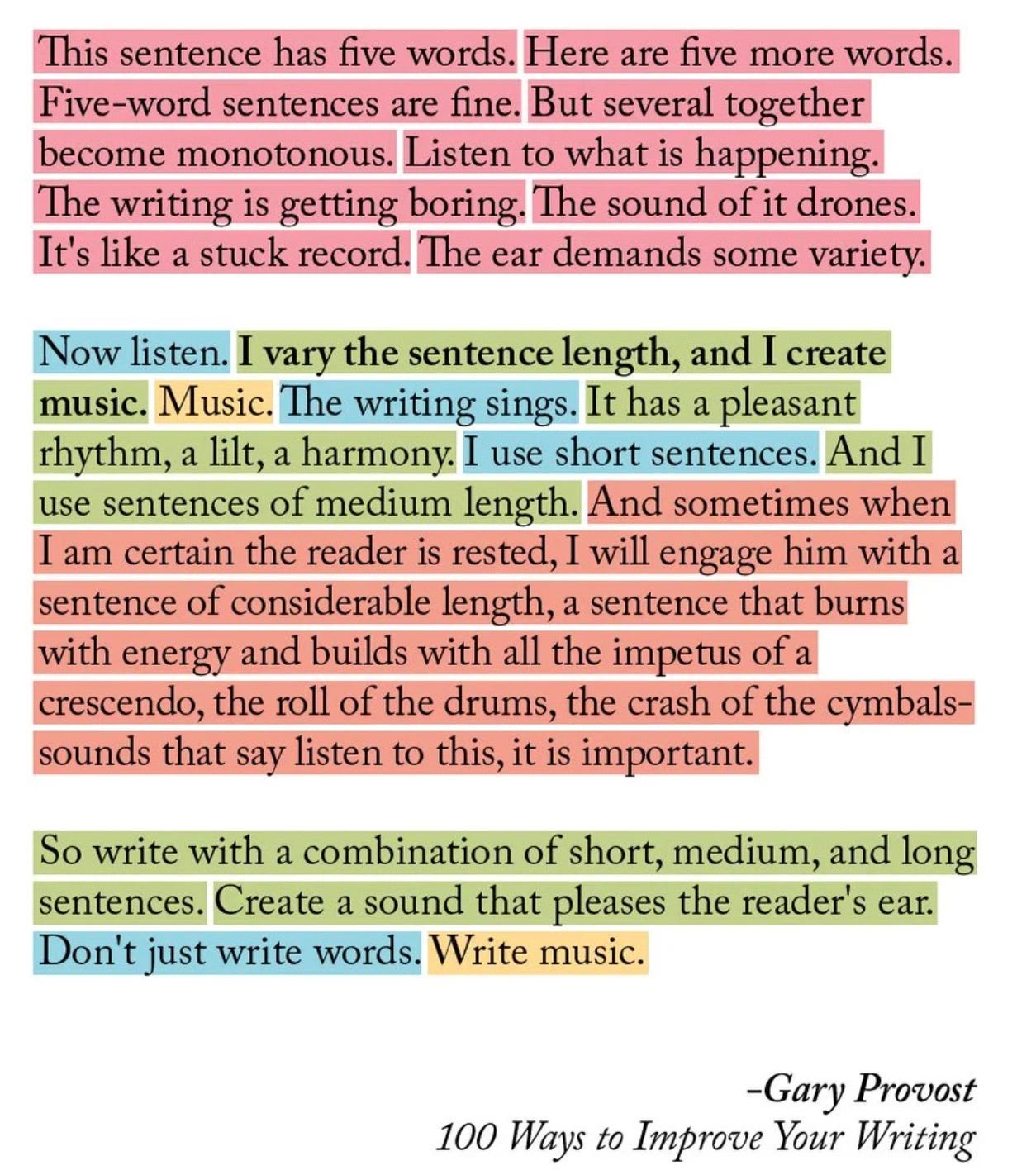
And pinned above my drafting table, stained and curling, is a single paragraph by Gary Provost, the one that starts
“This sentence has five words.” He’s highlighted the short sentences in one colour and the long ones in another so it looks like a heat map of a heartbeat. It reminds me to change gear. To breathe. To not use a big word when a small one will do the job, a lesson I have clearly not finished learning, as evidenced by the word “osmosis” two sections ago.
Columbus.
Here’s the part I wasn’t going to tell you.
A couple of weeks ago I was in Columbus, Ohio, for the Reuben Awards. The National Cartoonists Society turned eighty this year, which means the average age in the ballroom was somewhere between “distinguished” and “fossil record,” and I was, for once, among the young attendees. (I kid. I have more septuogenarian friends than any my age. They’re the best people I know.)
