



Thank you Stan!, E. Sjule, Margreet de Heer, Loitt, Michael Maslin's Ink Spill, and the nearly 500 others for tuning into my live video with Liza Donnelly yesterday! Join me for my next live video in the app next Thursday, Sept 4th at 12pm EST when I speak with political cartoonist Kevin KAL Kallaugher. You can follow his new Substack here:

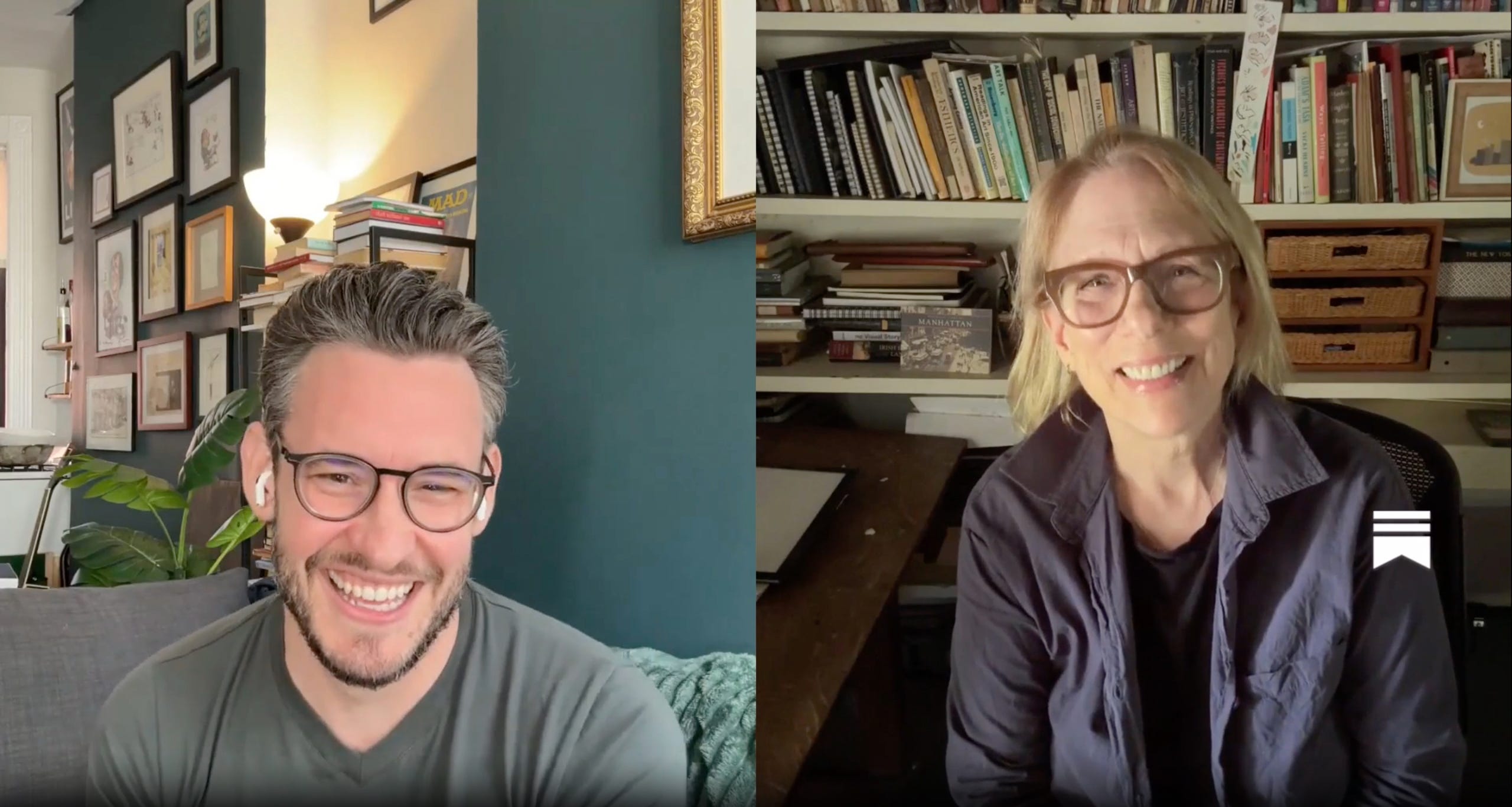
Nearly 500 people tuned in yesterday for Drawing Me Anything #25, and honestly, I'm not sure if they came for the cartoons or just to watch me fumble with my drawing setup like a broken octopus. Either way, I had Liza Donnelly on—the first person I ever subscribed to on Substack, and a cartoonist who's been breaking barriers since before breaking barriers was trendy.
From Watergate Kid to New Yorker Pioneer
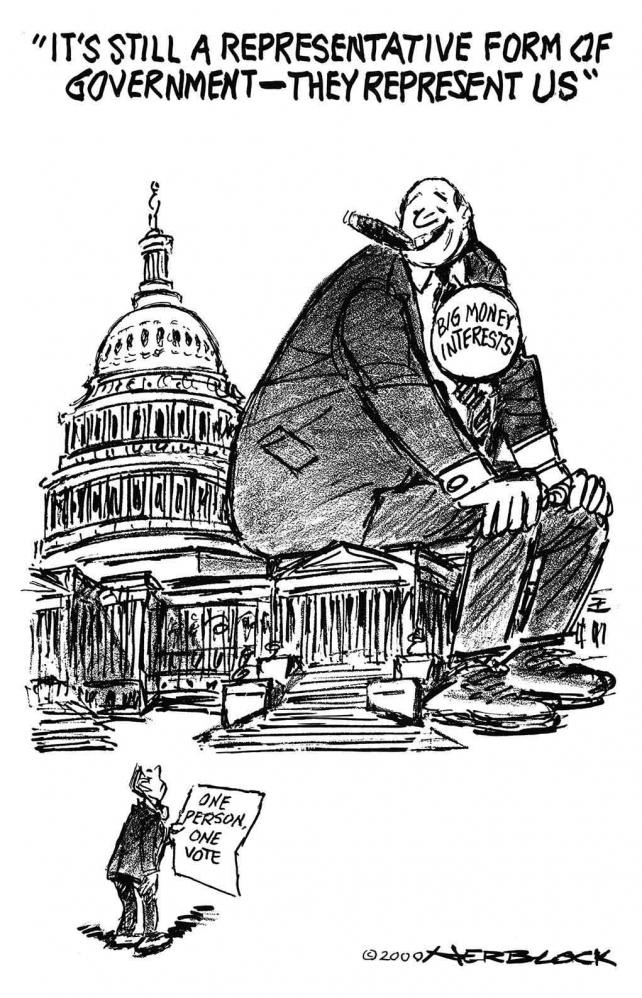
Liza grew up in Washington D.C. during Watergate, which explains a lot about her political sensibilities. She wanted to be Herblock—the political cartoonist's political cartoonist—but felt like she couldn't find her voice in that arena.
"I looked at the political cartoonists that I admired, Gary Trudeau and Herblock. I just didn't feel like I could fit in. I didn't think that I had a strong enough opinion about things, which was not true, but I couldn't find my opinions, I guess. I was afraid to share them."
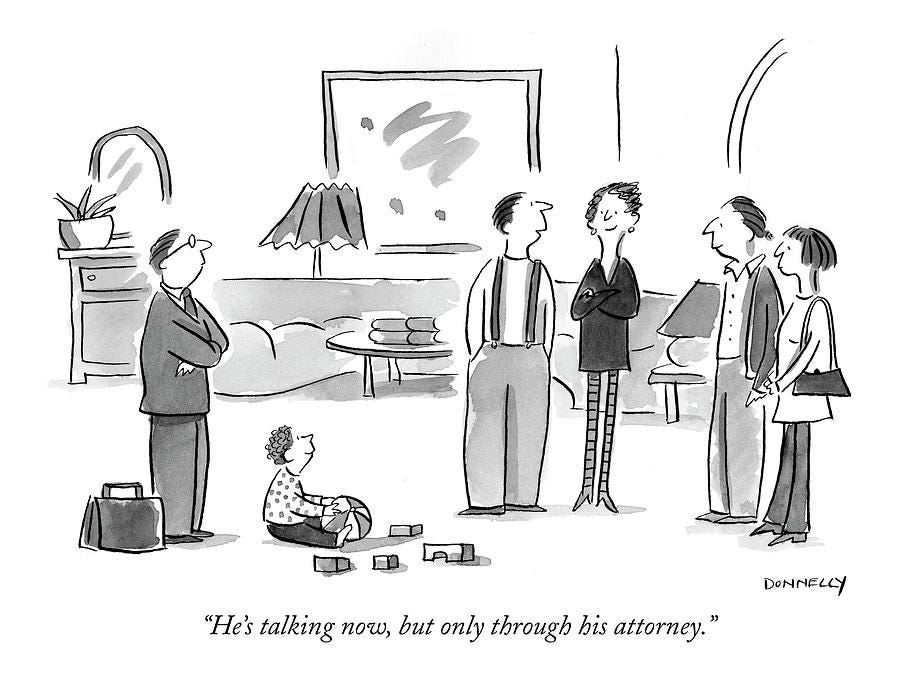
So she turned to the New Yorker, which she initially thought was "stodgy" until she realised it was actually full of "subtle but subversive" cartoons. This led to her becoming one of the first women to regularly publish cartoons in the magazine since after the period in the 1920s. She came up alongside Roz Chast and a few others.
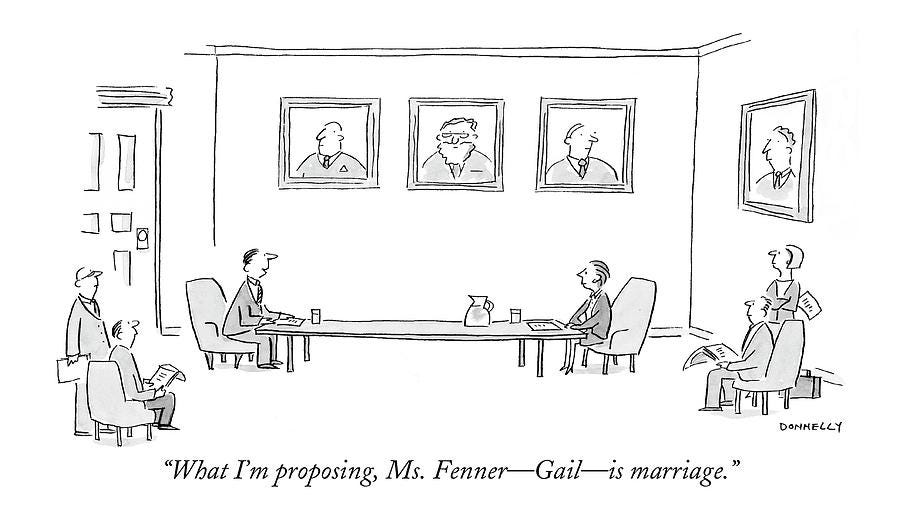
The old system was beautifully archaic: Tuesdays for the seasoned cartoonists, Wednesdays for the "young upstarts" like Liza, Roz, Jack Ziegler, Mick Stevens, Bob Mankoff, and Sam Gross. After submissions, they'd go to lunch at places like The Quiet Man (an Irish bar) or The Century, sometimes hit a Mets game, and occasionally go down to Tin Pan Alley to shoot pool.
"Before we went to lunch, we would go to the other magazines, take your little envelopes of your rejects from the New Yorker, and you'd go to other places," she explained. The rejection tour included National Lampoon (where she sold her first cartoon), Good Housekeeping, Cosmopolitan—places that actually paid cartoonists, unlike today's one-shop reality.
The Live Drawing Revolution
Liza's been doing live drawing on streaming since way before it was cool. She started during the 2016 State of the Union, using an iPad with Paper 53 and one of those chunky styluses that Apple doesn't make anymore (she had to stockpile them like they were cartoon gold).
"I drew these quick drawings of what I was watching and put them on Twitter immediately because the app connects to Twitter. And nothing was like that yet on that platform at all, really. So it took off, and that's when my live drawing career sort of happened."
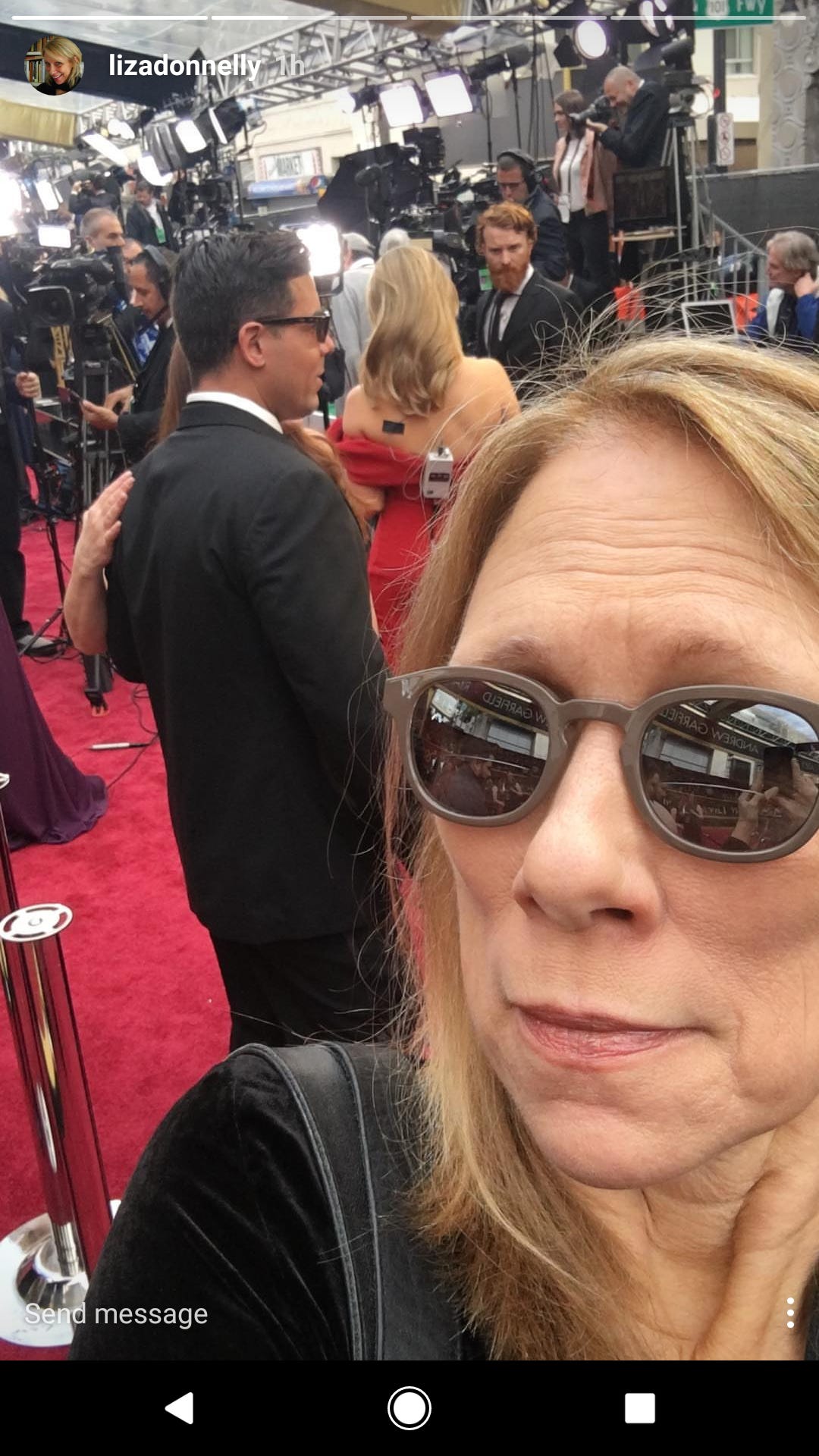
This led to everything from drawing the Oscars red carpet to being the first cartoonist credentialed for that gig, to courthouse sketching during Trump trials (where electronics weren't allowed, forcing her back to paper and pen like some kind of analogue warrior).
The CBS Morning Show Years and the Implosion
For about four years, Liza worked for CBS This Morning, live drawing guests and hosts, connecting their social media with the actual broadcast. They sent her to the White House, the DNC, debates—until CBS imploded with the Les Moonves and Charlie Rose scandals.
"CBS imploded, you know, Les Moonves and Charlie Rose and all that sort of—CBS imploded. And I was no longer," she said, with the casual tone of someone who's watched media empires crumble before breakfast.
"Women Laughing" Documentary
The big news is Liza's documentary "Women Laughing," which is finished and premiering in New York this fall. The New Yorker will publish it on their site, and Katie Couric (who once commissioned me to draw a deliberately bad caricature of Larry David for Sardi's) is executive producer.
The documentary features drawing sessions with contemporary women cartoonists at the Society of Illustrators, because, as Liza noted, "cartoonists are relaxed when they're drawing." It's a 35-minute short that traces the arc from the magazine's early women cartoonists through today, when about half the contributors identify as female or non-binary.
"We talked and drew at the same time because it's something that I've done with my children. And I know it's a way people are relaxed, at least cartoonists are relaxed when they're drawing," she explained.
The Rejection Game and Reinvention
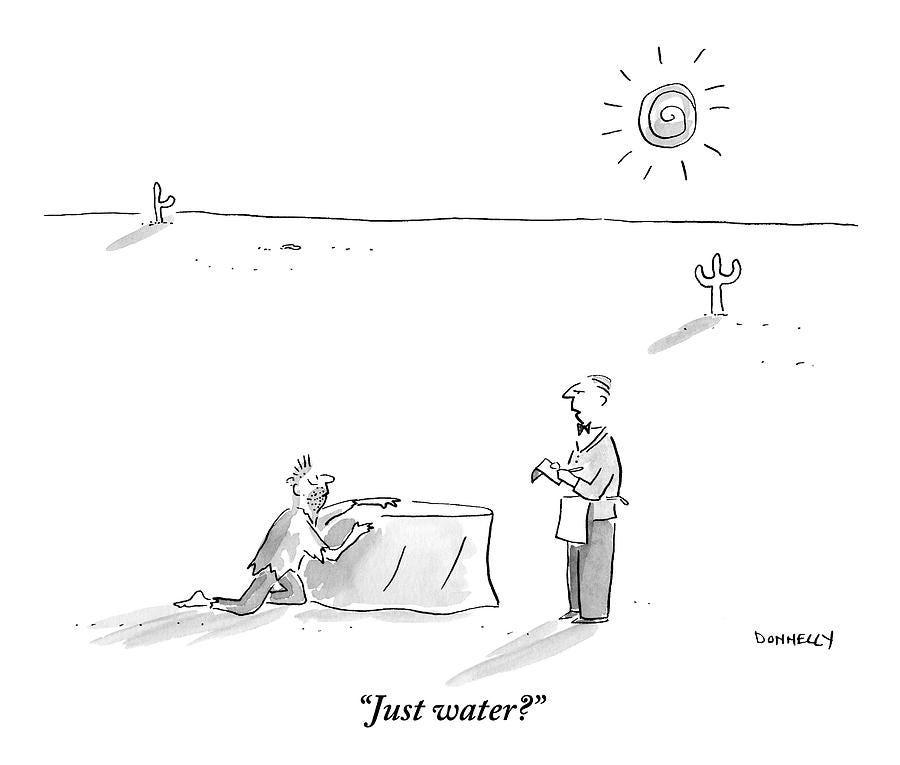
We talked about The New Yorker's brutal rejection rate—drawing eight to ten ideas a week, maybe selling one if you're lucky. It's almost masochistic, but as Liza pointed out, "without that rejection, the ability to tolerate rejection, you're not going to really last long in cartooning."
"You and I, we have to really start reinventing ourselves because there's no... Magazines are dying, are almost dead, and there are no outlets for what we do, really, much. So that's why we do the live drawing, that's why we do the Substacks."
The Competition Problem
The conversation took an interesting turn when we discussed how editorial cartoonists are now competing with everyone from late-night TV shows to memes. Jon Stewart's Daily Show was one of the first to clip segments and put them online as short, opinionated, humorous pieces.
"I thought, well, that's, that's like, they're taking our job, but with video," Liza observed. "We've been in competition with memes, you know, also memes and clips of comedians doing what we do."
But there's something cartoons can do that video can't: work without language barriers, distil complex ideas into simple images, and translate across cultures in ways that English-language comedy can't.
Freedom Fighters vs. Court Jesters
I mentioned attending the RIDEP cartooning conference in France with political cartoonists from around the world—people from Tunisia, China, Sudan who had been exiled for their work.
"I kept thinking, I was talking to the American and British people... and I was saying, you know, I feel like we're so lucky, you know, we're court jesters, it feels like, whereas these people feel like freedom fighters."
It hits differently now, especially considering the current political climate and the increasing pressure on editorial cartoonists in the US.
The Herblock Story
The session ended with Liza sharing her story of meeting Herblock—her childhood hero—at a gallery opening of New Yorker cartoons in Washington in the early 80s. He came to support the younger cartoonists, pointed to her first published cartoon (a dog cartoon), and said he liked the simplicity.
"I was so scared," she admitted. Which is perfect, because meeting your heroes should be terrifying. It means they still matter.
The Three-Eyed Alien Asking a Pig for the Time
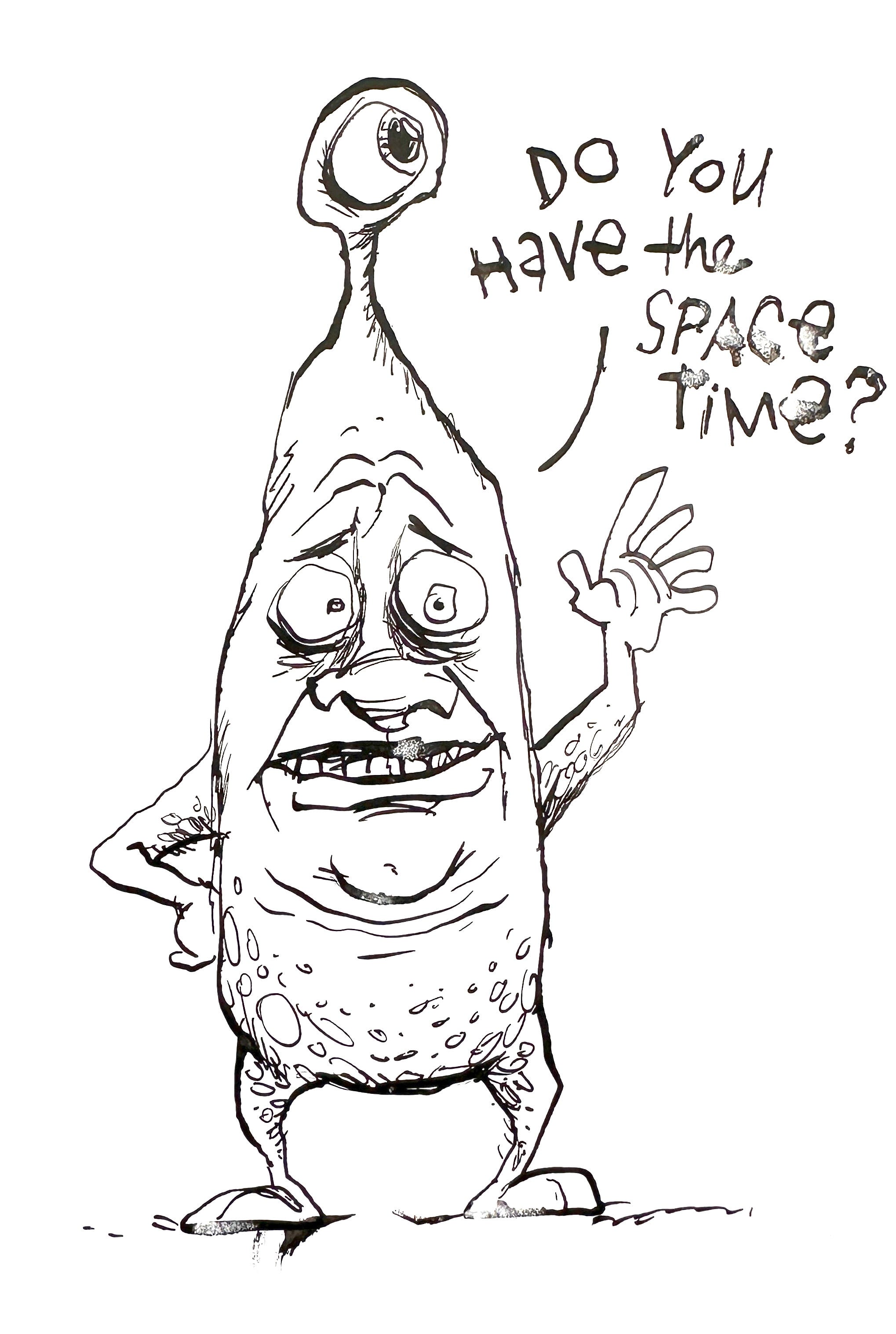
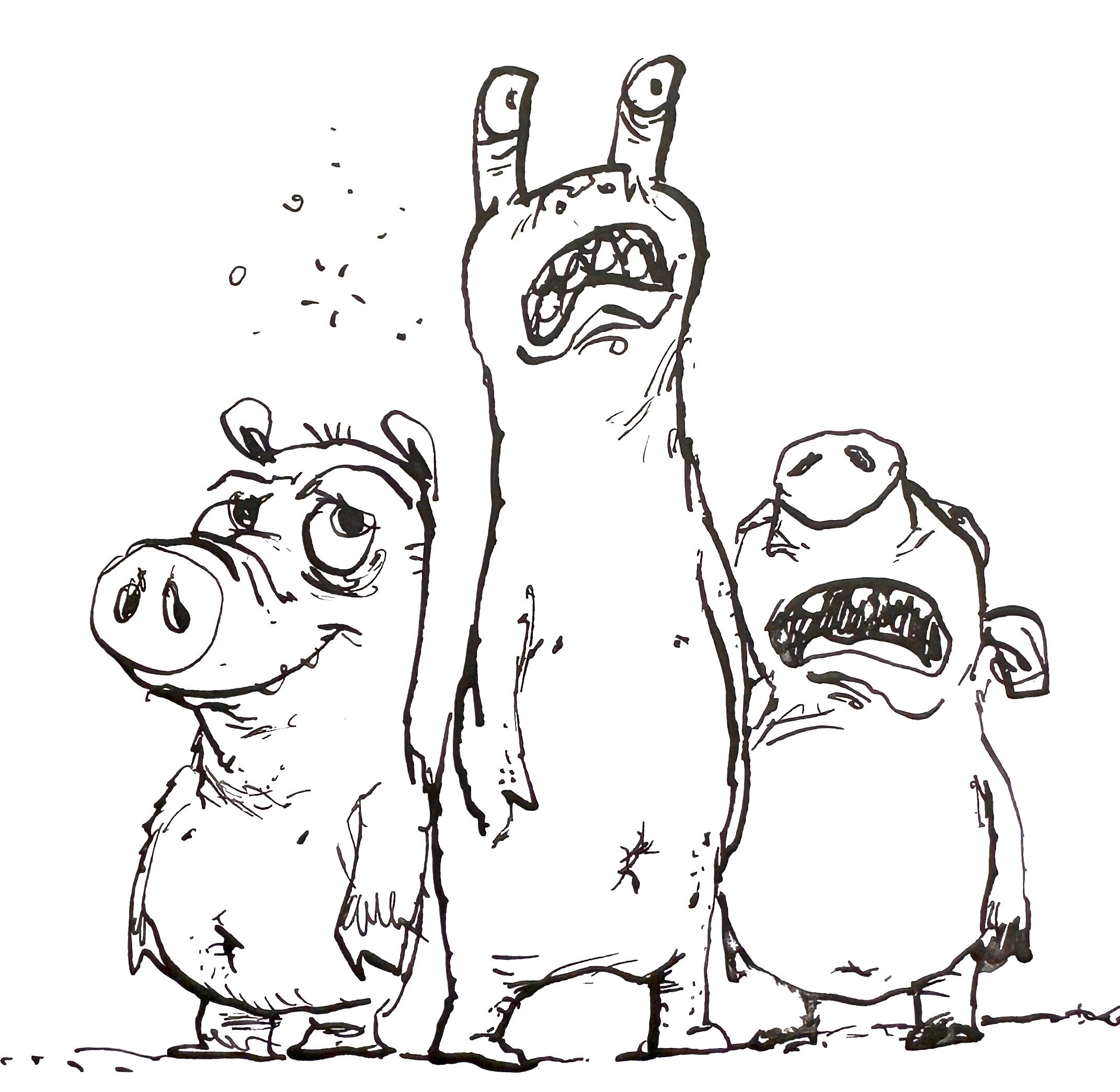
Dan McConnell in the chat requested "a three-eyed alien asking a pig for the time," which sounds apolitical until you remember that everything can be political if you squint hard enough. Or if you're drawing pigs, which, as someone pointed out, could be very Orwellian.
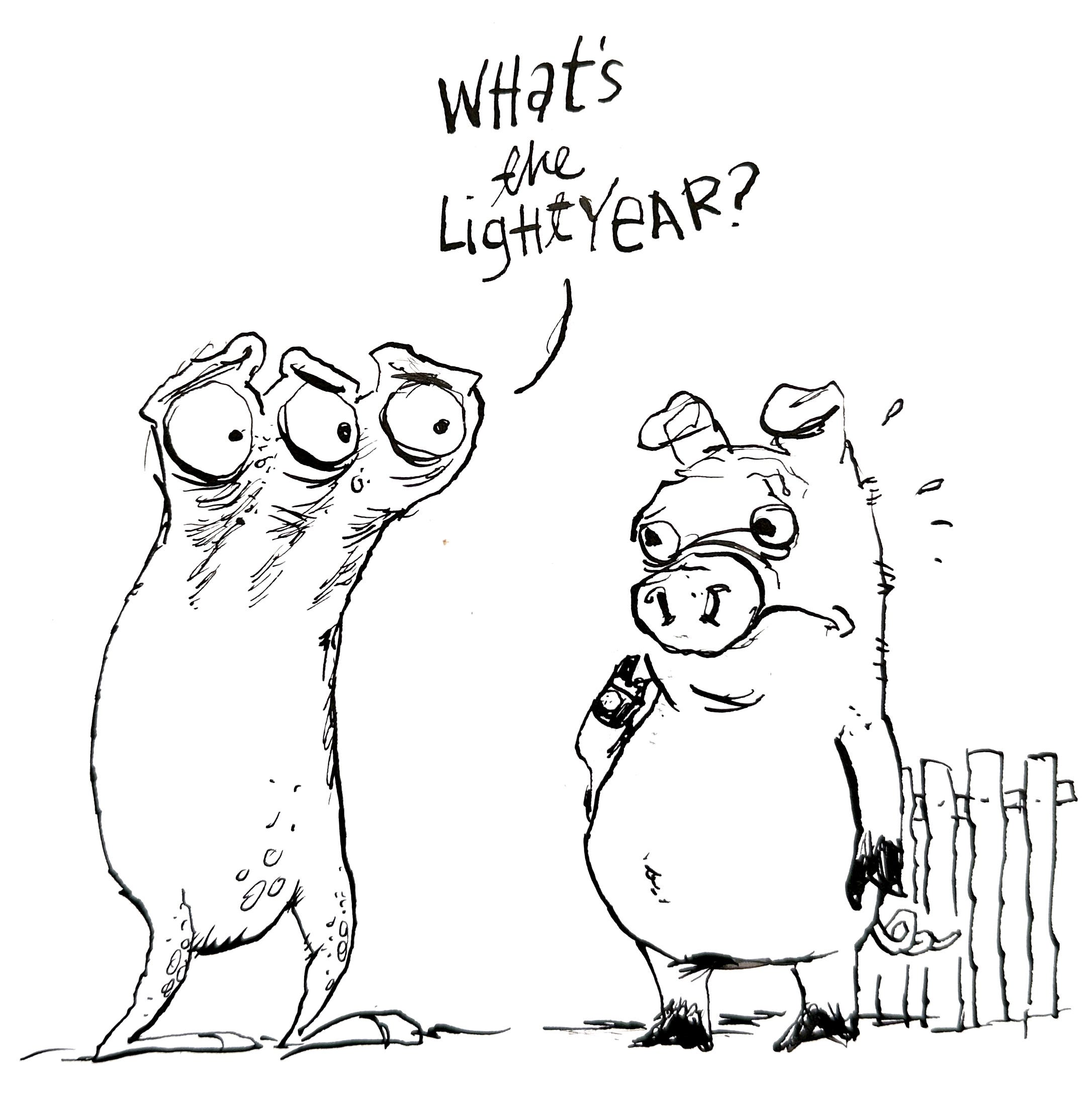
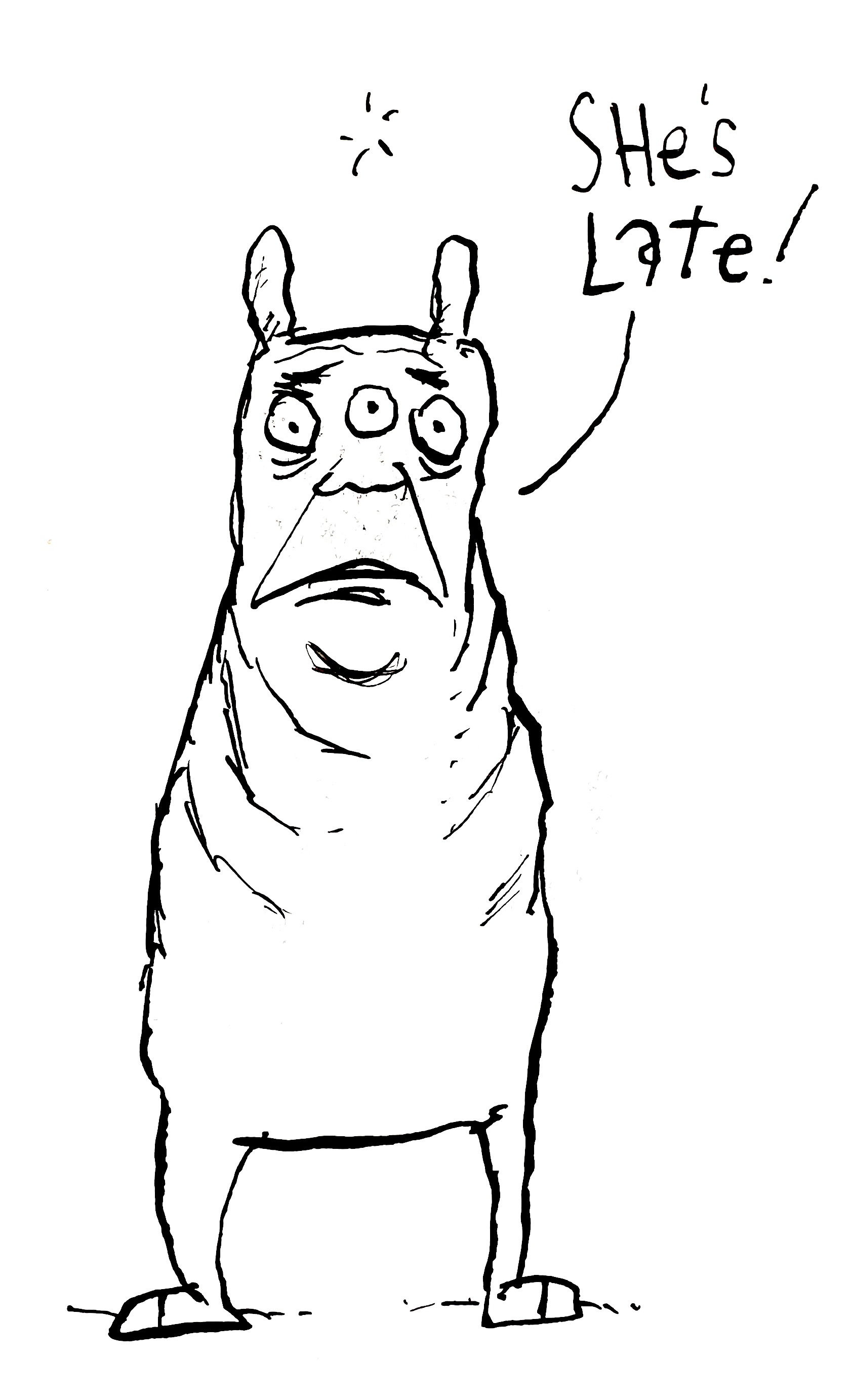
"Everything can be political if you think about it," Liza said, while drawing in seven lines what I couldn’t draw in seventy. I drew what was supposed to be a friendly alien, but looked more like it had strong opinions about municipal parking regulations.
The Technical Stuff
For the gear nerds: Liza uses a thick mechanical pencil (she forgot the brand), Hunt 107 nibs, and various dip pens. I'm still wrestling with my Blackwing pencils, trying to make live drawing look less like performance art and more like actual cartooning. I’m using the Hunt 101 Imperial dip pen nib.
What's Next
You can find more about the documentary at womenlaughingfilm.com and follow @womenlaughingfilm on Instagram. They're still raising money for publicity and marketing, because finishing a documentary is only half the battle.
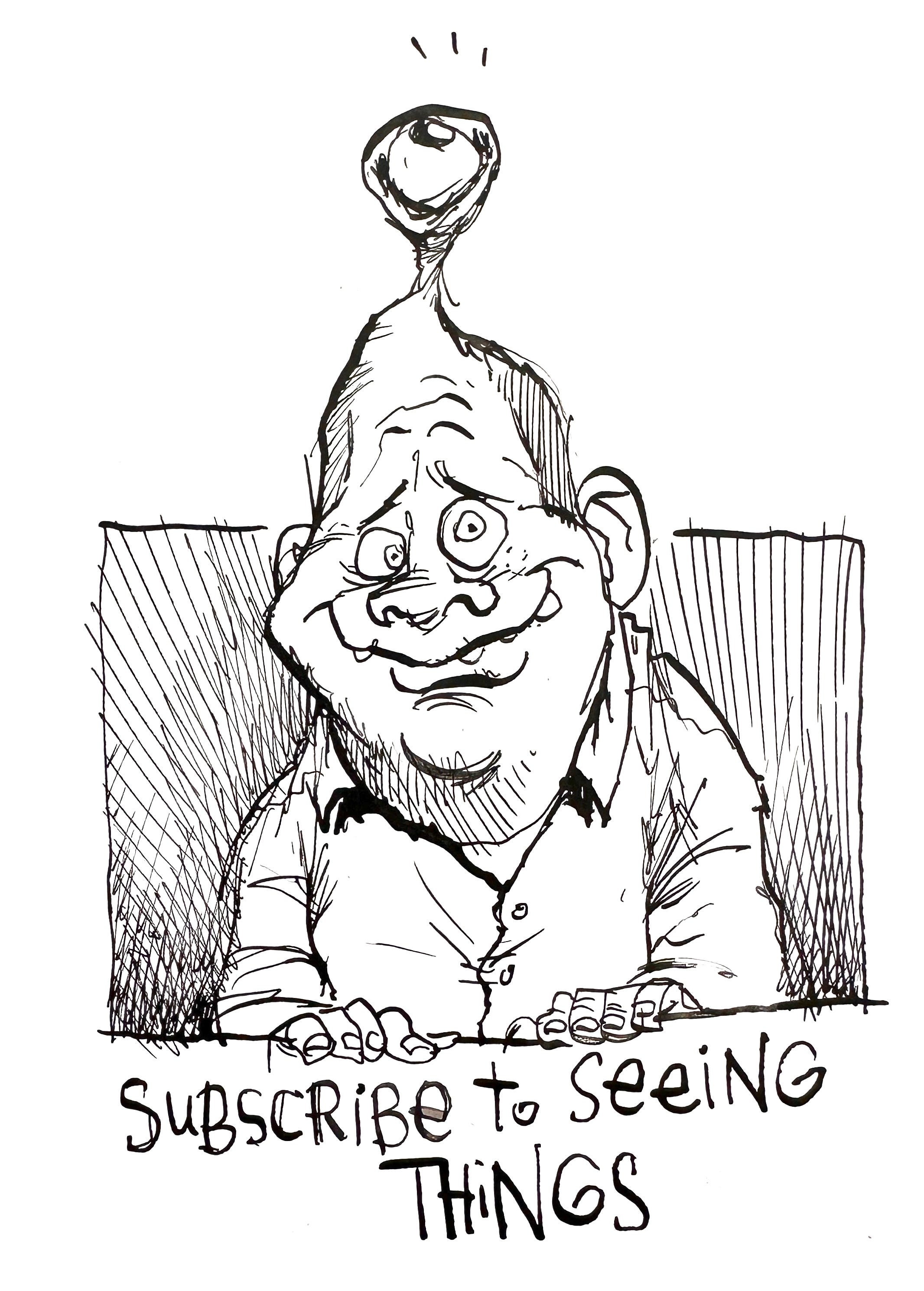
Liza's Substack, "Seeing Things," is great reading for anyone interested in how cartoons can cut through political noise with humour. She posts daily, which is both admirable and slightly terrifying.

Next Thursday at 12 PM, Kevin KAL Kallaugher joins us for DMA #26. Kal's got this ability to distil complex political ideas into powerful images without captions, and he draws with traditional tools on a proper wooden drafting board like a civilised human being.
If you missed the live session, you can catch the replay above by becoming a paid subscriber.


