


Wed, 4th March 2026
East Village, NY
I woke up this morning with the bleary-eyed, sandpaper-tongued weariness of a man over the age of forty who has made the fundamentally reckless decision to go out on a Tuesday night.
A “big night out” on a Tuesday usually means I stayed up until 10:30 PM researching vintage dip pens on eBay while letting my Morris use my foot as a pillow. But last night was an exception. Last night required me to put on real pants, leave the apartment, and trudge through the soul-crushing mixture of rain, melting slop, and mysterious sludge that constitutes a Manhattan street in March.
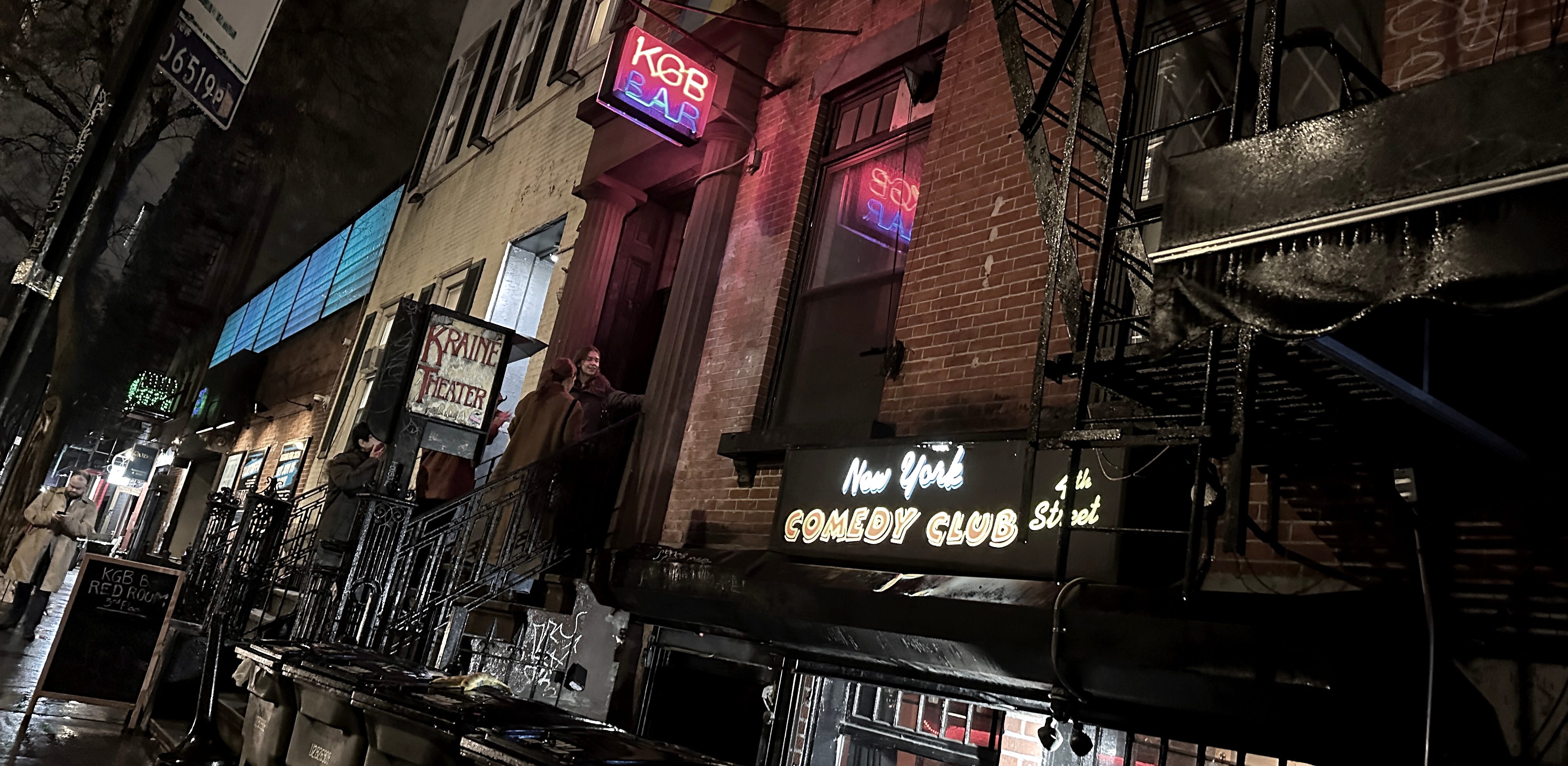
The destination was KGB Bar in my old stomping ground in the East Village. If you’ve never been to KGB Bar, imagine a cramped, dimly lit speakeasy wallpapered in Soviet propaganda, where the ghosts of a thousand chain-smoking authors are permanently trapped in the floorboards. It is the perfect place to drink something brown and grouse in low tones about the written word, and those who have the gall to wrestle with it for a living.

If you enjoy my work and would like to support, please take out a premium subscription (just $1 per week)
I was there for the reading and launch event of The Metropolitan Review.
I arrived, shook a gallon of toxic street-sludge off my boots, and immediately went to the bar to secure a drink before finding my friends and current colleagues, Executive Editor Lou Bahet and Editor-in-Chief Ross Barkan.
They were stationed just inside, radiating the nervous, electric energy that comes from throwing a party and realising people actually showed up. And not just a few people. Ross later announced that we sold 130 tickets to this thing. One hundred and thirty! In the year 2026, getting 130 New Yorkers to leave their apartments in the freezing, wet slop to listen to literary readings in a packed room is nothing short of a biblical miracle. As Ross put it: “Literary life is extremely alive and well.”
But the real highlight of the night, at least for my highly tactile, analogue-obsessed brain, was that I finally got to see the very first physical copy of the inaugural print edition of the magazine.
It is a beautiful, tangible object. It’s the Gay Talese issue, and holding it in my hands felt like holding a small rebellion. We live in an era where media companies are constantly “pivoting to video,” letting AI scrape the internet to write garbage articles, and laying off entire editorial staffs via group Zoom calls. To launch a physical, triannual print magazine right now is an act of magnificent defiance. So much work went into this thing, and holding the final product in my grubby, ink-stained mitts made all the late nights and frantic emails and texts entirely worth it.
I can’t wait to share it with you after the official launch next month.
Related Reading:

Which brings me to my role in all of this. I am proud (and slightly terrified) to say that I am the Cartoon Editor for The Metropolitan Review.
I know. Me. The guy whose internal “Check Engine” light is permanently illuminated is now in charge of curating cartoons for a prestigious new literary triannual. Because we were moving at breakneck speed to get this inaugural print edition out the door, we didn’t have a massive amount of time (ie. none) to solicit a huge batch of cartoons from the hoards of willing contributors on my spreadsheet, so we settled for using some of my orphans that were treated by other magazines the way Punch was treated by his monkey mother.
But the foundation is laid. Moving forward, the upcoming issues will feature a massive roster of cartoonists from entirely different backgrounds, wielding different styles, and hailing from different publications. (If you’re a professional cartoonist reading this, consider this a warning: I will be in your inbox very soon, demanding your funniest, weirdest scribbles.)

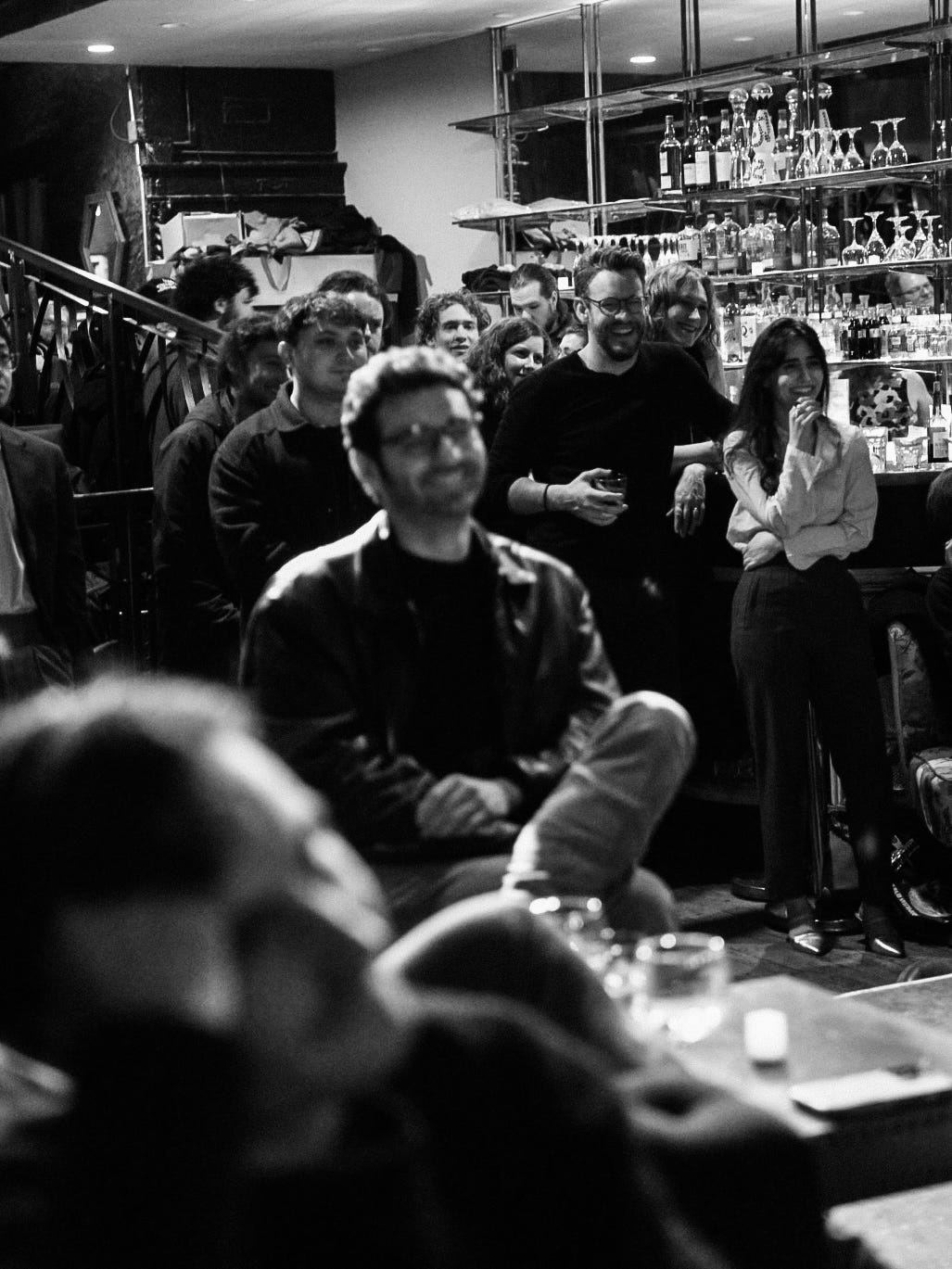
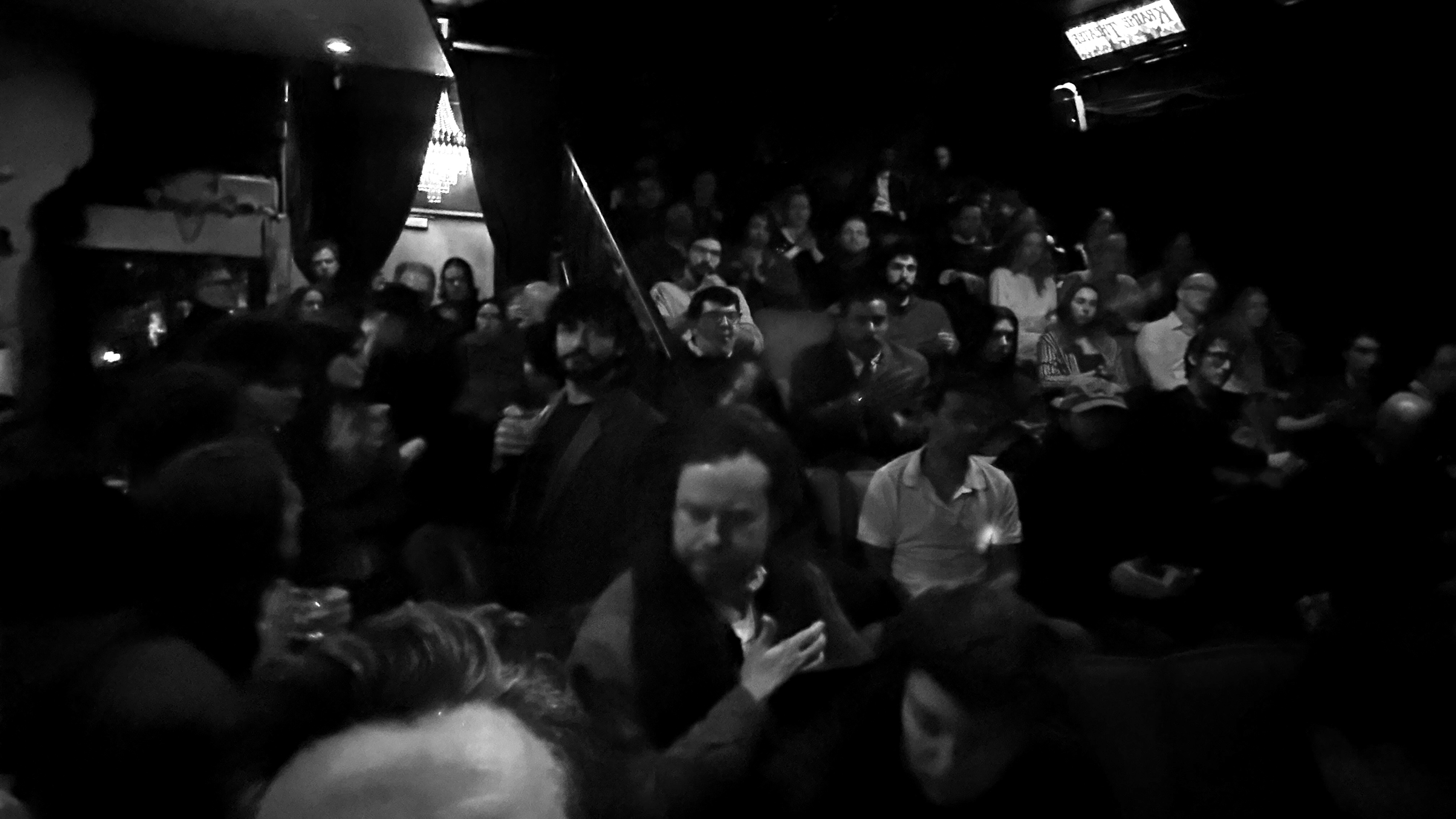
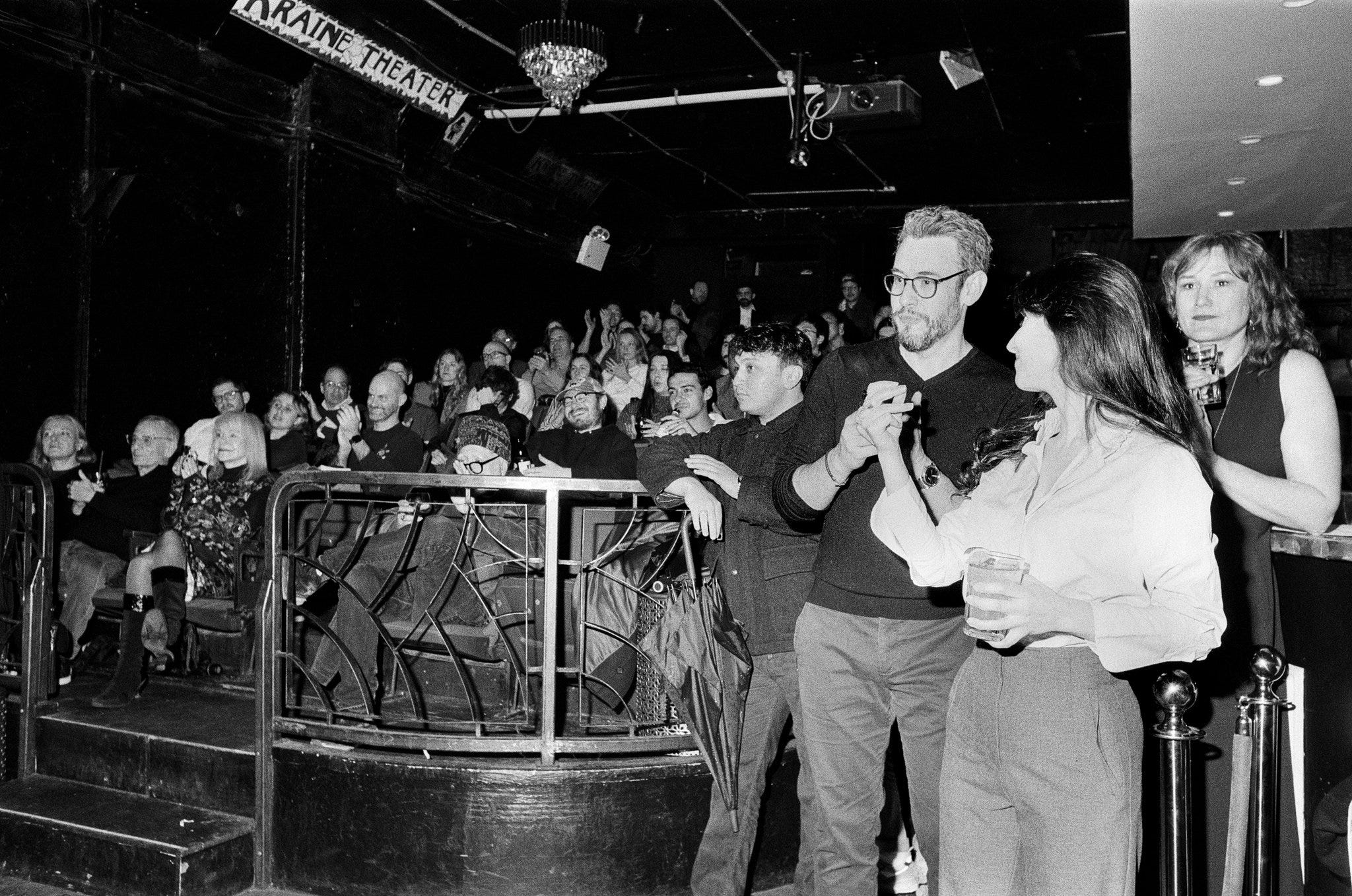
As the night kicked off, the sheer physical reality of the New York literary scene became unavoidable. I don’t mean that metaphorically. I mean, you literally could not avoid the physical reality of other people because the room was shoulder-to-shoulder.
Writers, authors, and literary types from all over the tri-state area squeezed (Squoze?) into the venue. We were forced to, for lack of a better, less awkward phrase, bump up against each other in real life, tweed-to-denim.
And you know what? It was glorious.
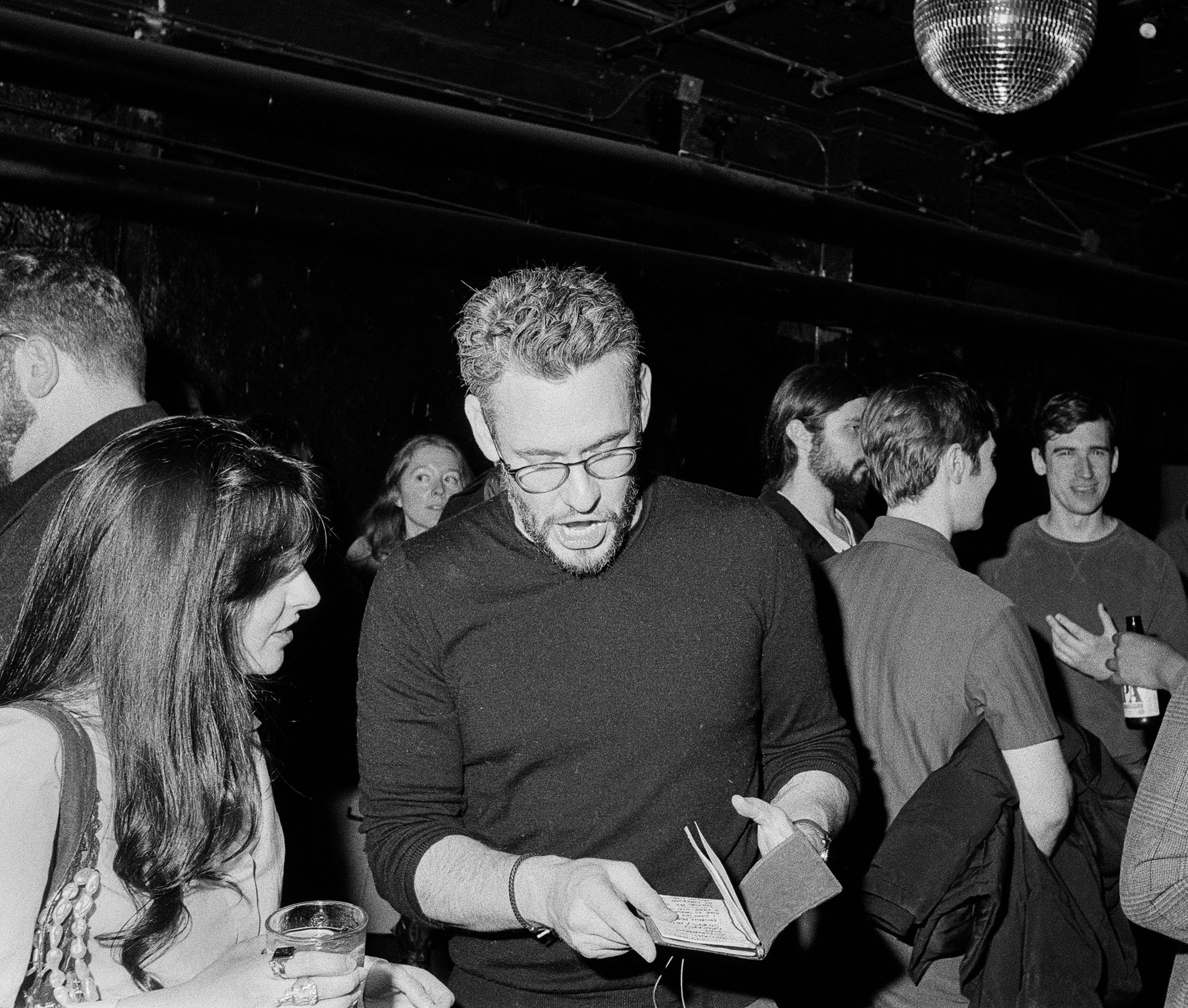
This is the great, enduring magic of being in New York. When the tech bros and the finance guys take over the skyline, it’s easy to feel like the creative friction of the city is dying. But then you cram 130 writers into a red-lit room in the East Village, and the friction is back. You get to meet these names from your inbox in person. It makes such a massive difference to look someone in the eye, shake their hand, and realise they are just as neurotic and obsessed with their process as you are.
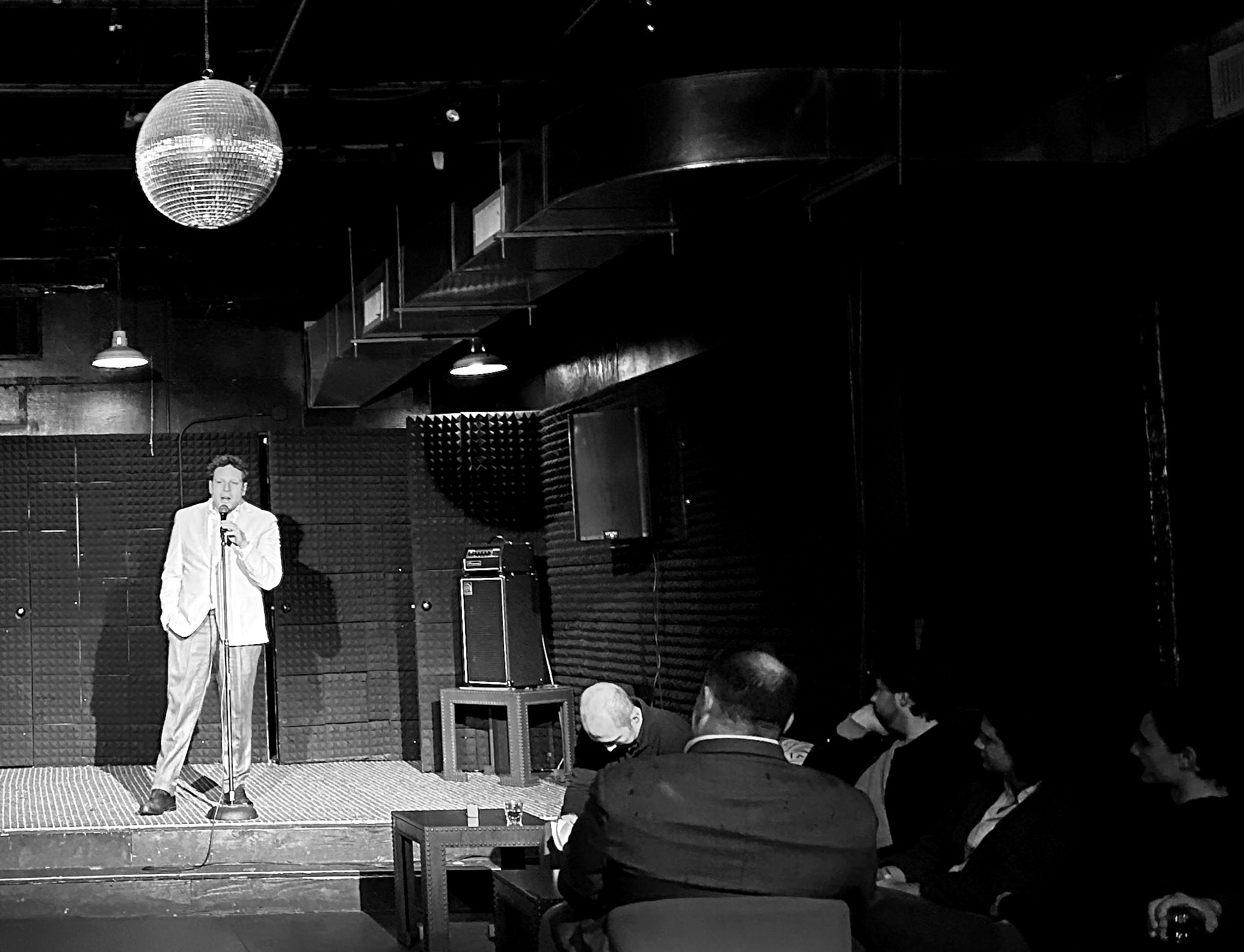
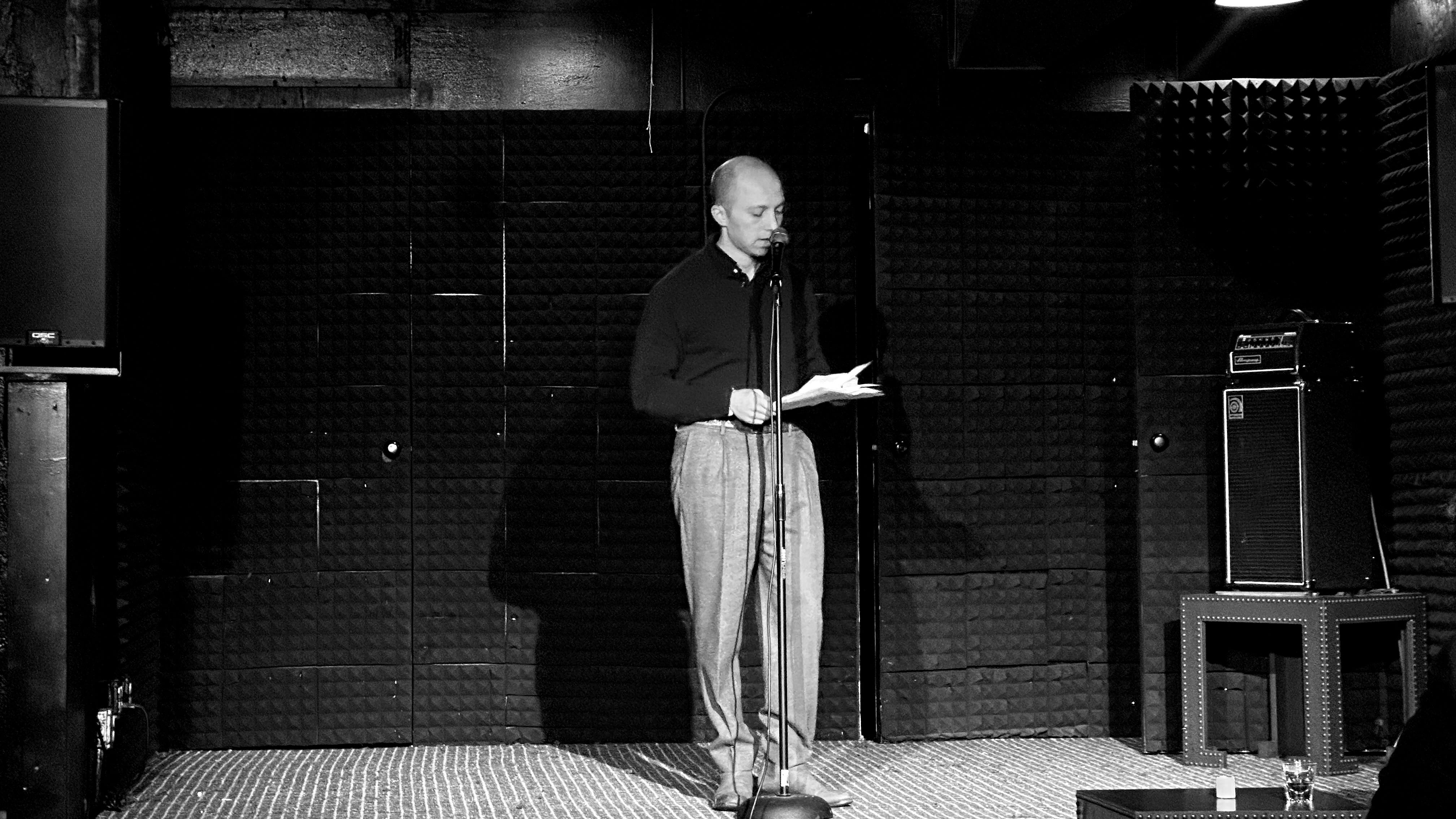
And the readings were phenomenal. One by one, after Ross introduced the evening under a precariously dangling mirror ball, writers stepped up to the microphone and read passages of their work. There’s something vulnerable and completely captivating about hearing an author read their own words out loud in a room full of their peers. You could feel the collective attention of the room holding on to every sentence as their shaky hands shuffled the pages under the spotlight where a punk band usually plays.
Of course, because this is the New York literary scene, the night was not without its underlying, highly entertaining dramatic subtext…
