Thank you Andi Penner, Margreet de Heer, Stan!, Mandy Ohman, Kyle Beaudette, and many others for tuning into my live video with Kevin KAL Kallaugher! Join me for my next live video in the app this Thursday at 11 when I’m joined by Jeremy Caplan from Wonder Tools!

The bottom of this post has details and links to all of the tools we discussed, all of the artists we discussed, and more resources for anyone wanting to explore more about the topics we covered.
If you joined me last time I had the legendary Kevin “KAL” Kallaugher on the stream, you’ll remember we discussed the “Cartoonist’s Paradox”- the absurd reality where cartooning is incredibly easy to start, but absolutely impossible to stop once it gets its hooks into you. This time around, our conversation shifted gears. Instead of talking about how to get into the game, we talked about how to survive it. We dug into how to stay sane in a politically fractured world, how to defend the analogue line against the digital horde, and the sheer mechanical joy of making marks on paper.
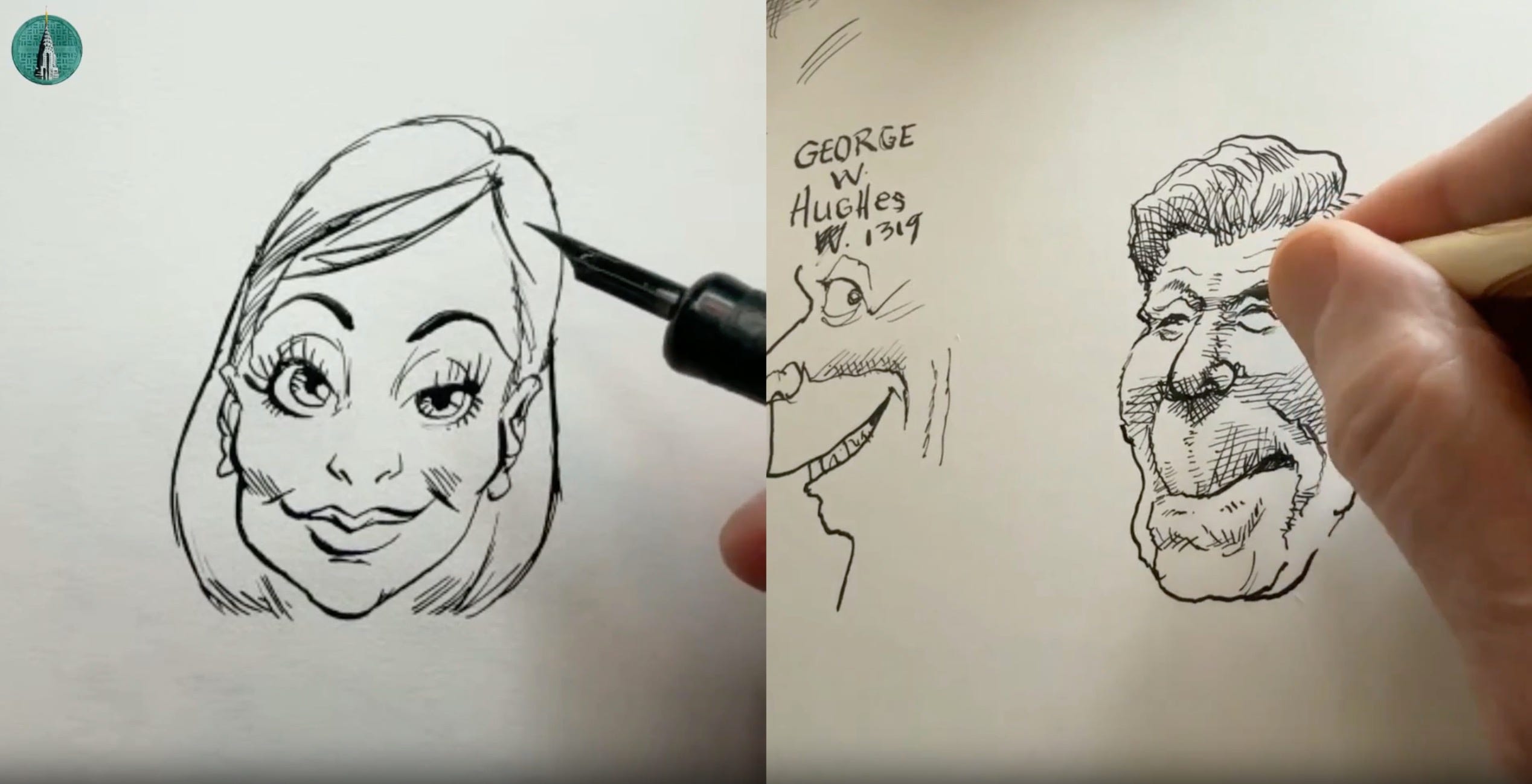
I frequently have moments during these streams where I completely forget I’m hosting a broadcast. I find myself just sitting there, slack-jawed, realising how profoundly lucky I am to have an hour to pick the brains of my absolute heroes. KAL is a legend of the medium. He is coming up on his 50th year at The Economist and is currently putting together a massive retrospective exhibition of his work. Getting to draw alongside him is a ridiculous privilege.
The Outsider’s Advantage: We kicked things off by talking about the absolute circus of modern politics. KAL and I both know what it’s like to be an expat trying to explain American madness to the rest of the world. KAL spent a decade living in the UK, and he noted that being an outsider gives you a unique, clear-eyed view. You aren’t tethered to the deep-rooted tribalism of the country you’re in. You can look at the idiocy on both sides of the aisle and criticise it without feeling like a traitor. It’s a perspective he brings to The Economist, which he praised for its critical thinking and reasoned assessment of global madness.
The Human Line vs. The Human Centipede: We eventually touched on the unavoidable elephant in the room: AI and the internet’s right-wing “meme wars”. KAL pointed out a fundamental difference between a viral meme and a great political cartoon: a cartoon is signed. You know a human being sat down, thought about it, and drew it. In an era of increasing detachment and digital takeover, a hand-drawn line stands out because it has life, energy, and personality.
Or, as Paul Nesja so poetically put it in the live chat: “AI is to creativity as the human centipede is to fine cuisine”. (We probably could have ended the broadcast right there.)
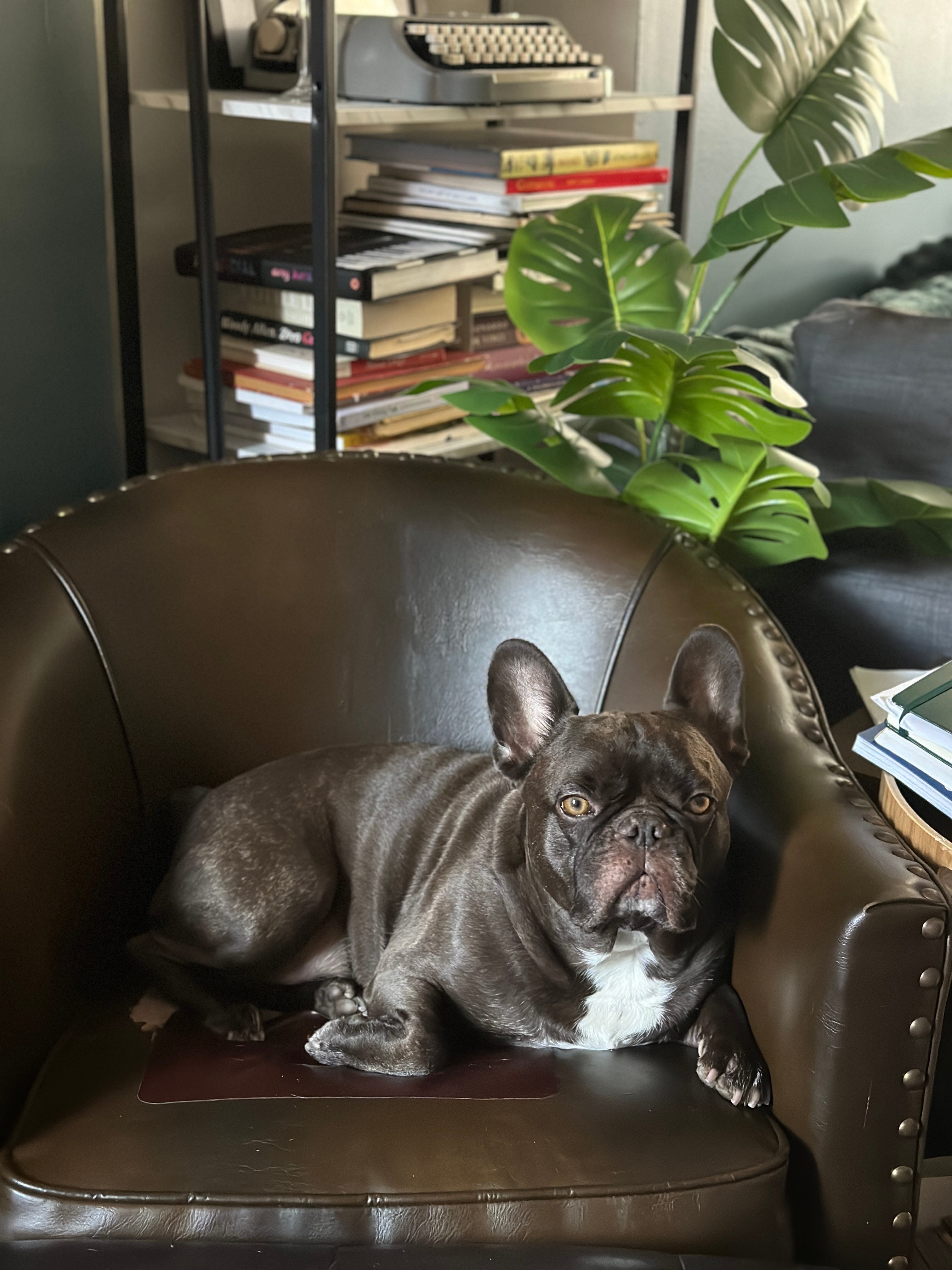
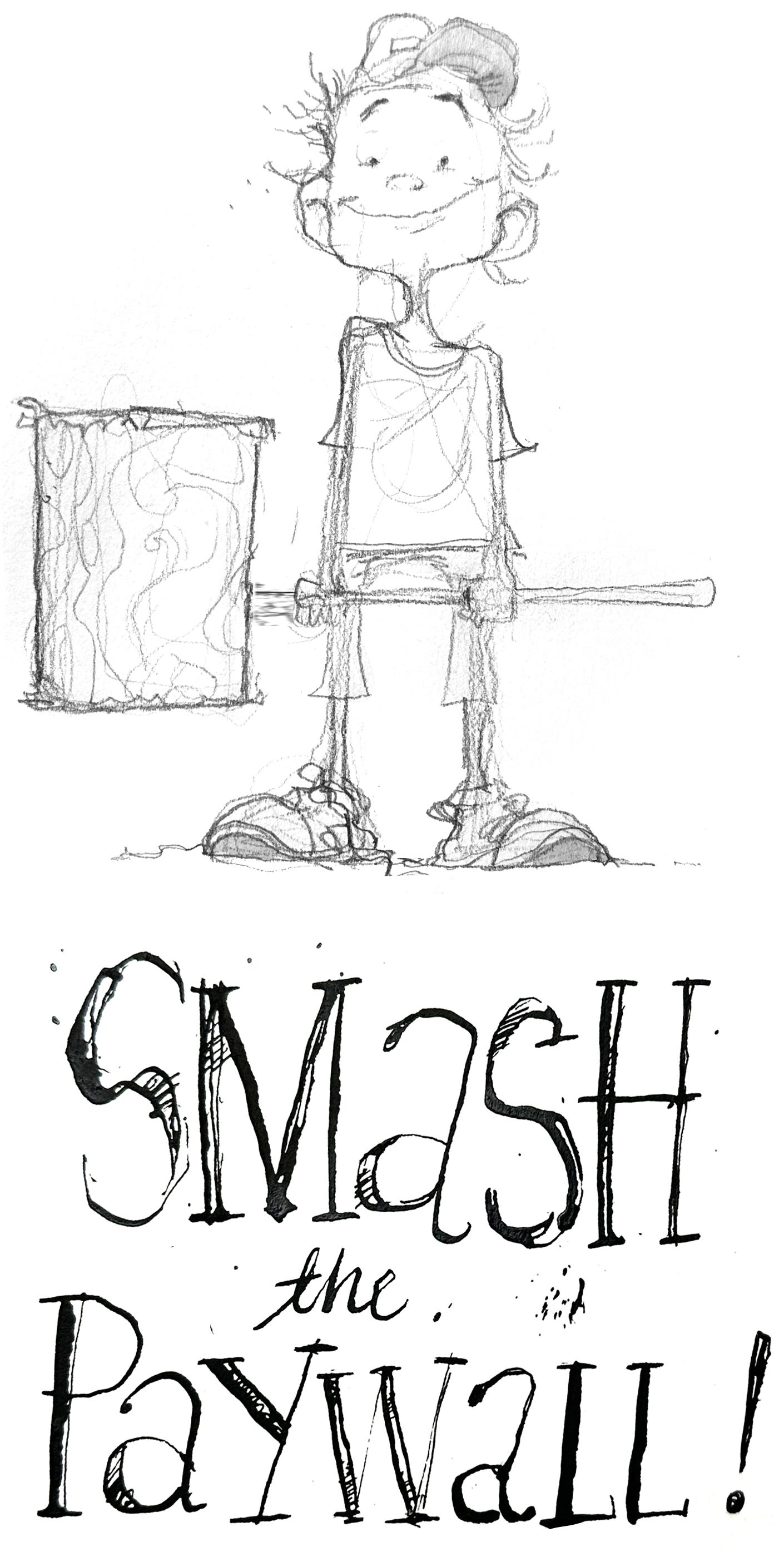
Putting these recaps together requires a unique cocktail of intense caffeine, squinting at my monitor, and manually untangling the spaghetti bowl of my brain to pull out the best insights. If you value this little digital monastery, please consider upgrading to a paid subscription for just $1 a week. It pays for my time, repays the labour of writing these up, and keeps Morris supplied with the good dog food he has foolishly become accustomed to.
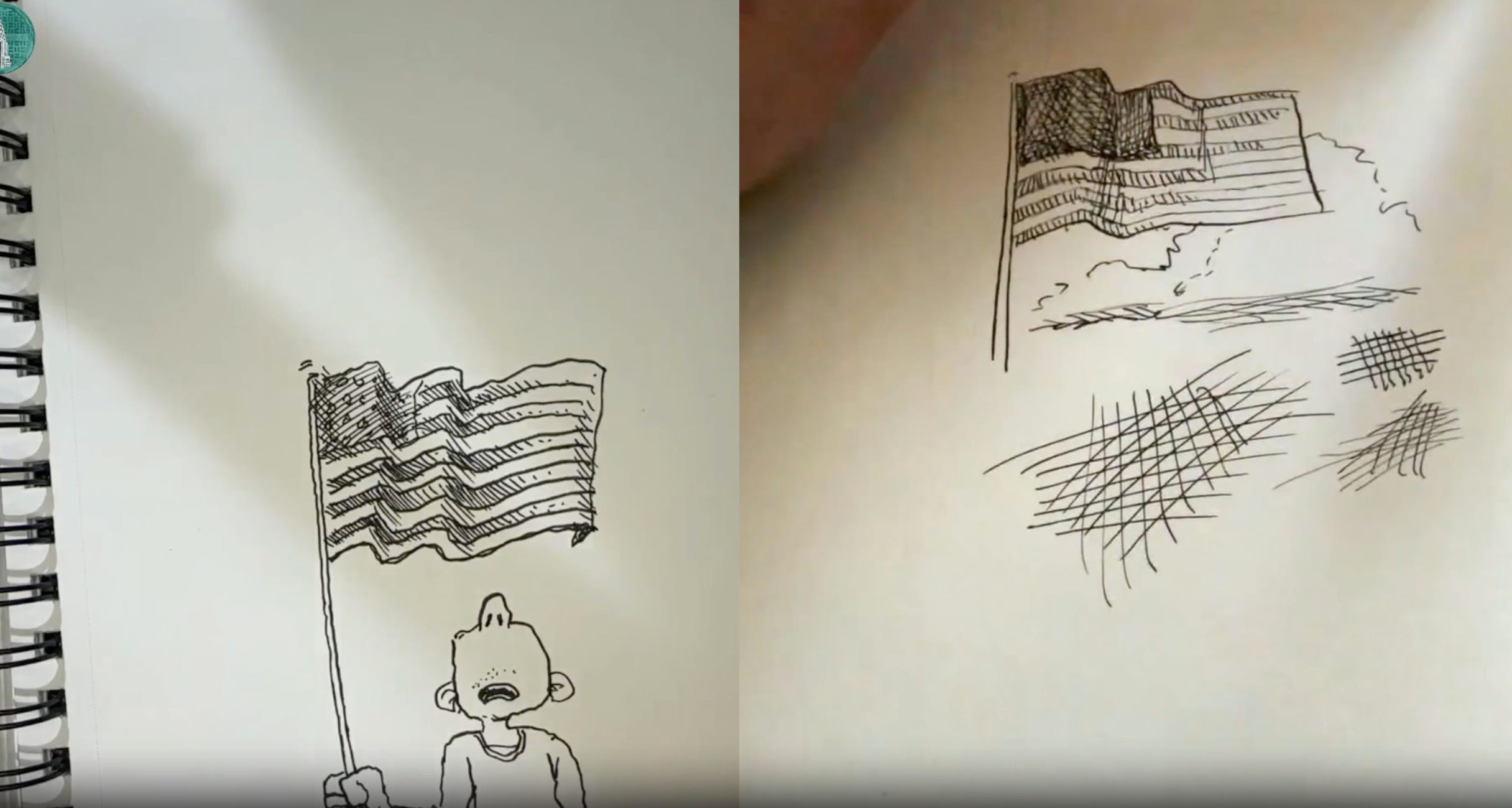
The Magic of Crosshatching: KAL is an absolute surgeon when it comes to crosshatching. He explained that the technique really evolved out of necessity in the 19th and 20th centuries. Printing in colour or half-tones was prohibitively expensive, and newspapers used terrible, cheap newsprint that made ink bleed. Cartoonists had to use juxtaposed fine lines to denote colour, shading, and texture. KAL even talked about the maddening challenge of using hard black lines to crosshatch something as airy and shapeless as a sky.
Diagon Alley for Cartoonists: My favourite story of the stream was KAL explaining where he gets his dip pen nibs. Back when he lived in London, an art director sent him to Philip Poole, a legendary pen dealer on Charing Cross Road. KAL found a tiny, unmarked door squished between two buildings and walked into a dark, heavily wooded room filled with tiny drawers of nibs. He described it as disappearing into Harry Potter’s Diagon Alley.
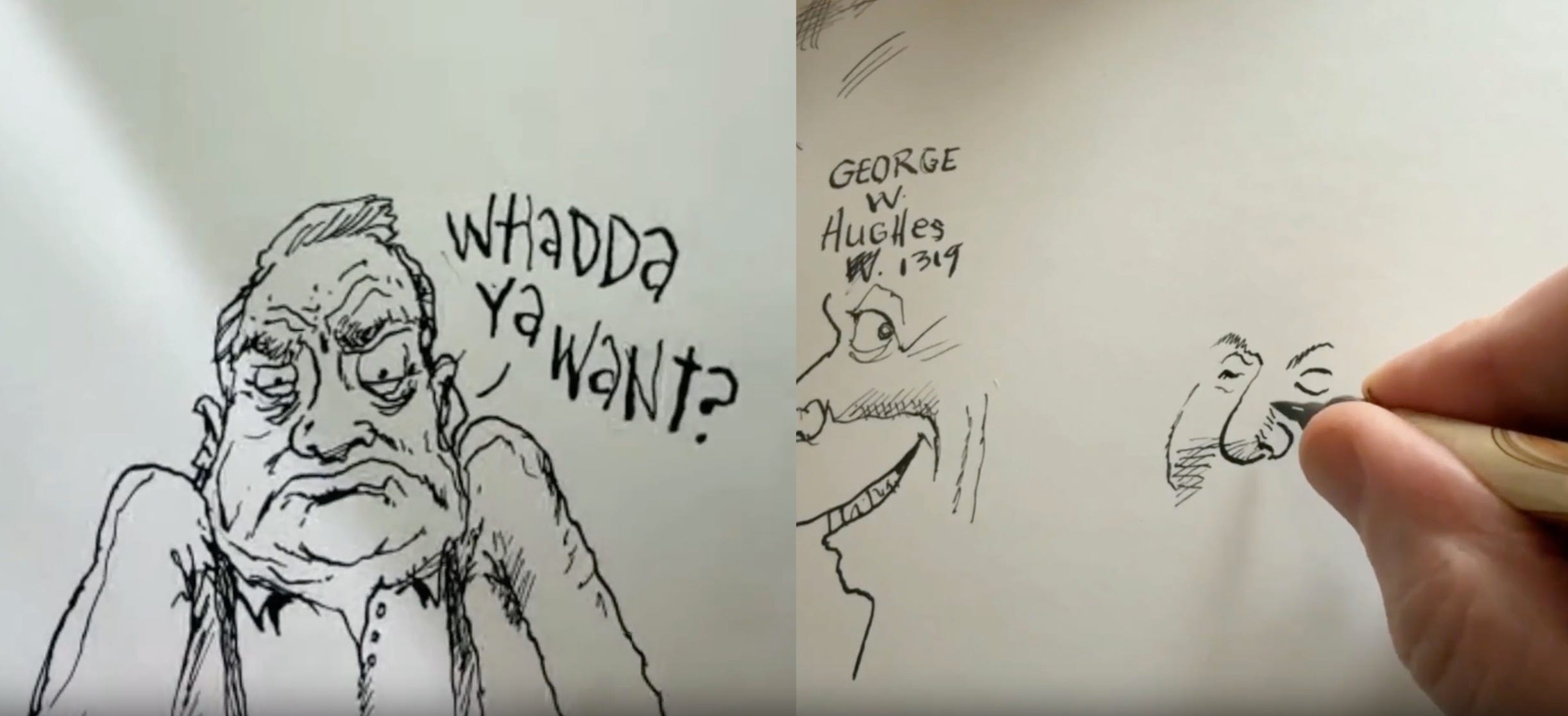
A hunched, cantankerous guy in a white trench coat shuffled out and started handing him nibs to try. KAL eventually settled on the George W. Hughes 1319. Years later, when he tried to order more, the guy informed him they hadn’t been manufactured in 150 years. KAL eventually got a box of 144 of them, and he is still drawing with them today.
The 5-Line Rule: We talked about the difficulty of line economy—knowing when to stop drawing and not overwork an image. KAL told a brilliant story (often attributed to Phil May or R.O. Blechman) about a cartoonist getting confronted by editors in a pub.
The editors complained that the cartoonist was paid an awful lot of money, yet his latest cartoon only had seven lines in it.
The cartoonist replied: “If I could have done it in five lines, I would have charged twice as much”.
Thanks for tuning in!
‘til next time!
Your pal,

PS. Look, if this actually did something for your brain (or at least distracted you from the creeping dread of your own inbox for six minutes), please consider restacking this and sharing it with your people. It’s the only way the word spreads.
The Tools We Talked About:
George W. Hughes 1319 Nibs: KAL’s unicorn tool of choice. Good luck finding them; they haven’t been made in a century and a half.
Hunt 101 Imperial: My wobbly weapon of choice.
Duo-Shade Board: The chemical-laden drawing board that old-school tabloid guys used to use to pull out different shading tones.
The Artists We Discussed:
(Warning: Clicking these links will result in a minimum three-hour Wikipedia rabbit hole.)
David Levine: The absolute master of crosshatching and caricature.
James Gillray: The godfather of the political cartoon. His work was so biting that the Royals used to send people to buy out his entire print run just to hide the drawings.
David Low: The brilliant New Zealand cartoonist who ended up on Hitler’s kill list for his work.
Ronald Searle: The man whose inky fingerprints are on the style of almost every modern cartoonist alive.
R.O. Blechman: Legendary graphic designer and illustrator (and possible originator of the 5-line story).
Paul Rigby & Bay Rigby: The Australian father/son duo who dominated the NY Post and Daily News tabloid cartooning wars.
Pat Oliphant: The Aussie who brought the energetic, sprawling tabloid style to America.
Bill Mitchell & Peter Broelman: Absolute masters of Australian editorial line economy.
Catherine Woodman-Maynard: The Minneapolis graphic novelist who launched “Comics for Change” in response to local tragedies.
Other Resources:
KAL’s Substack: If you aren’t subscribed to KAL yet, fix that right now. He is generously opening his sketchbooks and sharing a lifetime of process and wisdom.
Comics for Change: The initiative started by Catherine Woodman-Maynard that gathered over a thousand entries worldwide.
Now, if you’ll excuse me, I need to go see if I can find a guy in a white trench coat hiding in a London alleyway…